Get Full Government Meeting Transcripts, Videos, & Alerts Forever!
Get email alerts on the Accreditation topic
No spam. Unsubscribe anytime.
Weston High School receives decennial accreditation visit; report highlights curriculum work and facilities plans
Summary
Weston High School presented highlights from a 46‑page decennial NEASC accreditation report. The visiting committee validated curriculum alignment work, MTSS progress and capital improvements; the school set priority goals for common assessments, stronger MTSS protocols and facilities planning.
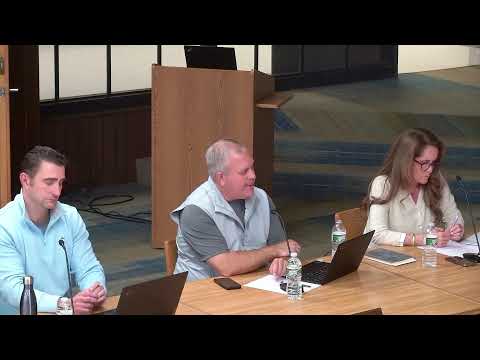
Weston High School leaders summarized the findings of a decennial accreditation visit by the New England Association of Schools and Colleges (NEASC) during the June 16 board meeting. The visiting team conducted a three‑day review in April, observed classrooms, met with students and staff, and validated the school’s self‑study.
School staff said the NEASC report (46 pages) highlighted areas of strength including teacher‑led curriculum development, project exemplars, student voice in the advisory program, and facility improvements such as the student lounge renovation and planned courtyard work. The visiting committee observed classroom instruction for extensive periods (committee members visited classrooms multiple times across three days) and met with varied stakeholder groups including students, faculty, parents, and district leaders.
NEASC recommendations and priority goals cited by the principal included: embedding common assessments and shared grading practices to measure student outcomes; refining multi‑tiered systems of support (MTSS) protocols at the high school level; and continuing collaborative approaches to capital planning that include teacher and student input. The report also commended link crew, PACT advisory work and the school’s climate initiatives; it recommended streamlining overlapping committees to reduce duplication of effort.
Administrators said NEASC will require follow‑up reports: a one‑year update, reporting at years three and six, and an eight‑year collaborative conference before the next decennial visit. The school will post the full NEASC report on its website and proceed with the priority goals in the coming year.
Why it matters: Decennial accreditation is an external validation cycle. Board members and school leaders said the visit provided both commendations and concrete recommendations that will shape curriculum alignment, MTSS refinements and facilities decisions in the coming years.