Get Full Government Meeting Transcripts, Videos, & Alerts Forever!
Get email alerts on the District Finance topic
No spam. Unsubscribe anytime.
Cheshire School District outlines year-end transfers, proposes $255,932 carryover for 2025–26 budget
Summary
District staff presented a year-end budget report showing a $255,932 proposed carryover tied to energy savings, personnel variances and unplanned transportation costs; the board moved to approve line-item transfers but a vote was not recorded in the provided transcript.
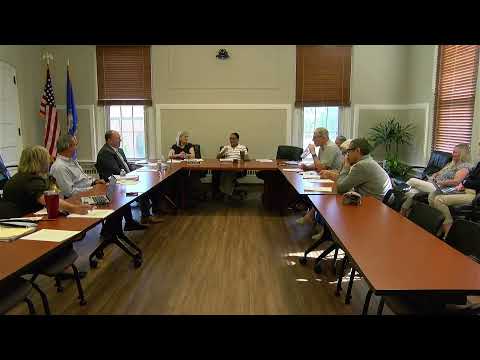
At the June 30 Cheshire Board of Education meeting, district finance staff presented a year-end accounting summary and moved to transfer line items for the 2024–25 fiscal-year close with a proposed $255,932 placed into a carryover account for use in 2025–26.
The district reported five categories subject to final transfer: salaries, employee benefits, instructional programs, support services, and operations and maintenance. Finance staff said milder winter weather and locked fuel contracts produced roughly $293,000 in energy savings, helping produce the year-end balance that district leaders proposed carrying into 2025–26 to supplement an already-reduced budget.
Special education spending finished roughly on budget, the report said, while the teacher salary line was about $881,000 under budget, driven by higher-than-expected retirements and leaves. That underrun was partly offset by higher substitute costs. Student transportation finished about 11% over budget; drivers cited an eleventh-hour Type 1 bus route for the Norton area, two single‑student special-education routes of about $60,000 each, and an increase in bus‑aid staffing (about $70,000 higher than the prior year).
Unpaid student meals totaled about $24,600 at year end. Finance staff reminded the board that state law requires the board of education to reimburse the food-and-nutrition program for unpaid student meals and said the district made a concerted collection effort to limit the balance.
On capital spending, staff said they maintained an expenditure cap at about 70% through the year, enabling funding for summer projects. Projects noted for the coming months include replacement of OSHA-required roof ladders across the district, completion of roof work at Dodd, replacement of one of three boilers at the original portion of Dodd, cafeteria replacement and lighting upgrades at Donna, vinyl floor replacements at Cheshire High School and planning-stage work including a future high-school fire-alarm replacement. Staff said about $875,000 in maintenance and equipment requests were submitted for the year; roughly $500,000 of those requests were funded in the year-end close.
On employee benefits, the district reported May health‑claims activity of about $1,458,000 and expected prescription-drug rebates and stop-loss reimbursements that would restore the medical benefits reserve to roughly $2.3 million after June claims and anticipated reimbursements. Staff also said the district uses Cigna funding of about $80,000 annually to support employee health-and-wellness programs including walking challenges and yoga.
From the meeting record, a board member moved that the board approve the recommended line‑item transfers and place a remaining balance of approximately $255,932 into a carryover account to be used in 2025–26; the motion included specific transfers into employee benefits ($71,008.62) and out of instruction ($245,565.59) and operations and maintenance ($188,098.53) with a listed total movement of $591,101.76. A member seconded and members discussed the motion, but a formal roll-call vote on that motion was not captured in the supplied transcript segment.
District staff named Heather Santee as the finance manager who helped with the year-end close and noted Emily Taylor will assist in the process next year. Facilities director Rich Pabat was cited as a participant in prioritizing capital work.
Board members asked for follow-up reports on special-education placements and on unpaid meal collection. Staff offered to provide an end‑of‑year report illustrating transitions in special-education placements and to continue collection activity under the statutory reimbursement requirement.
The board discussion also touched on ticket‑sale revenue and athletics receipts, the lifespan of the artificial turf and the need to plan for future field replacement.