
Madison committee reviews districtwide curriculum refresh, highlights science changes
Get AI-powered insights, summaries, and transcripts
Sign Up Free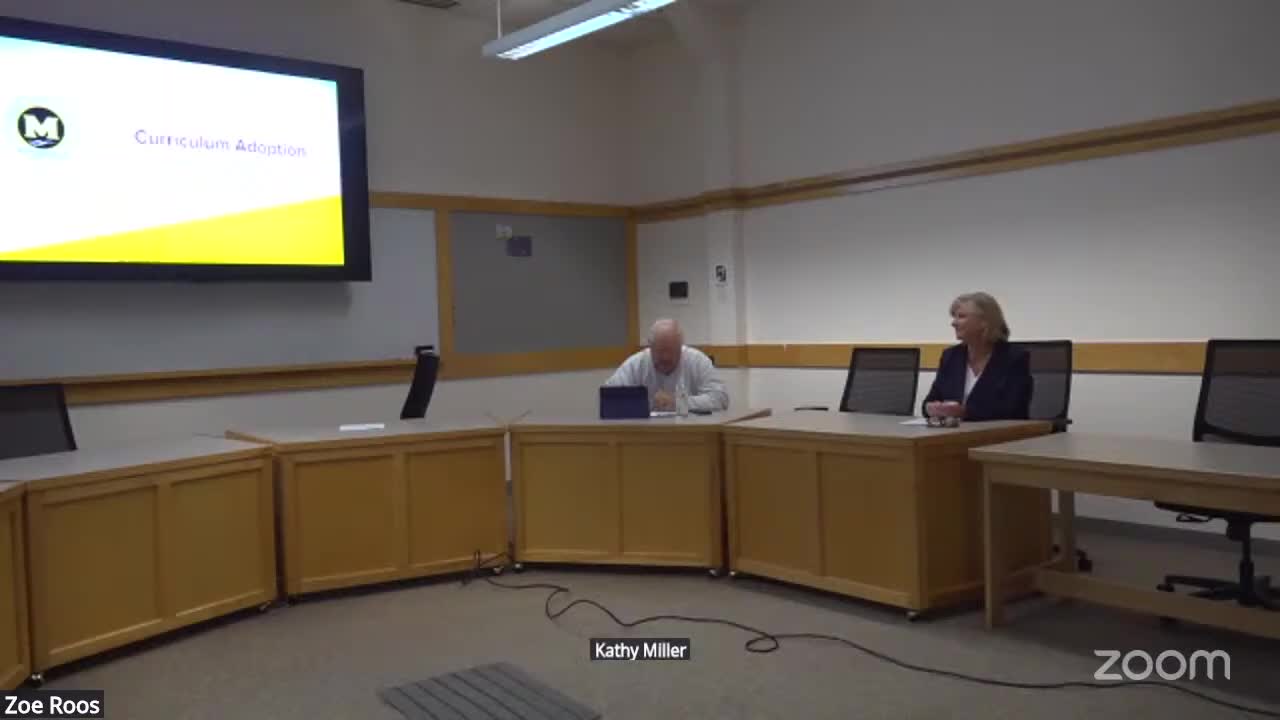
Summary
Teachers and curriculum staff presented a yearlong K–12 refresh of Madison School District curricula, emphasizing alignment with the Next Generation Science Standards (NGSS), new elementary science units, a districtwide system for ordering hands-on science materials and course updates across world language, theater and CTE.
At a morning meeting of the Curriculum & Student Development Committee of the Madison Board of Education, district staff presented a districtwide curriculum refresh that focused heavily on science standards alignment, new elementary units and a system to ensure consistent access to hands-on materials across schools.
The presentation, led by Michelle Horn, the district curriculum generalist, and coordinators across grade bands, described a yearlong review of content and performance expectations that used the Next Generation Science Standards (NGSS) and a district audit to identify gaps and reorder units where needed. "This is a year long endeavor," Michelle Horn said, thanking teachers for the work that began last June.
District staff told the committee that the audit found gaps at many grade levels and led to new or strengthened units: kindergarten added a "pushes and pulls" unit and weather content in the environment unit; grade 1 added emphasis on plant and animal adaptations; grade 3 added a weather and climate mini‑unit; grade 4 strengthened erosion instruction and Earth systems processes; and grade 5 incorporated sound into its waves unit. Staff said K–5 alone required addressing 44 NGSS performance expectations; at the middle‑school level, they identified 59 performance expectations and said the curriculum now meets those expectations.
Teachers who worked on the revisions described more student‑centered, hands‑on and play‑based lessons. Kindergarten teacher Dina Perillo showed classroom activities such as a laundry‑basket race used to explore friction and motion: "They absolutely love it," Perillo said of the students' engagement. Second‑grade teacher Brenda Schall described a three‑day hands‑on absorbency investigation that integrates vocabulary and tallying across the day. Fifth‑grade teacher Nick Marulo said the revisions filled gaps, particularly connecting sound with light in the properties of waves, and noted that elementary students will take an NGSS science assessment for the first time at the grade 5 level.
For middle and high school, coordinators said the audit led to resequencing that pairs related concepts; for example, genetics and evolution were moved to seventh grade to align with ecology, and forces and motion were moved to eighth grade to align with astronomy. High‑school staff described updates to life science, environmental science and conceptual physics courses, and added or revised performance‑based assessments and scope and sequence to reflect NGSS expectations.
Staff also described a new district system to standardize the ordering and distribution of science materials so every classroom has access to the supplies needed for hands‑on learning. Michelle Horn credited support staff Sheila and Ching for organizing grade‑level kits and the ordering tool that collects needed materials by unit.
Committee members and board representatives praised the work and noted early test results. Board member Dr. Krishnam said he saw improvements in scores but added that the results are embargoed; "I wanna be the one to say that because I know that they are embargoed," he said, noting gains in eighth grade and continued strength in fifth and eleventh grades. The presentation closed with staff outlining upcoming revision cycles for other subjects, including preK–12 art, K–8 literacy tuning, and social studies revisions for K–2 and grades 6–8.
No formal votes or policy adoptions were recorded during the meeting; staff presented the draft curricula and schedules for continued work and implementation next school year.
Staff left committee members with next steps and timelines: summer curriculum work in June, continued teacher leadership in Professional Learning Communities (PLCs), and an October update on selected K–5 outcomes and rollouts.
The committee adjourned after questions and remarks.