Get Full Government Meeting Transcripts, Videos, & Alerts Forever!
Get email alerts on the Motor Vehicle Taxes topic
No spam. Unsubscribe anytime.
Tax committee waives interest, trims vehicle tax bills for people citing hardship
Summary
The committee waived interest and approved reduced repayment on motor‑vehicle tax accounts after several residents described medical and financial hardship. One driver’s Dodge Journey taxes were removed and the remaining balance was reduced to $14.36 to be paid over six months.
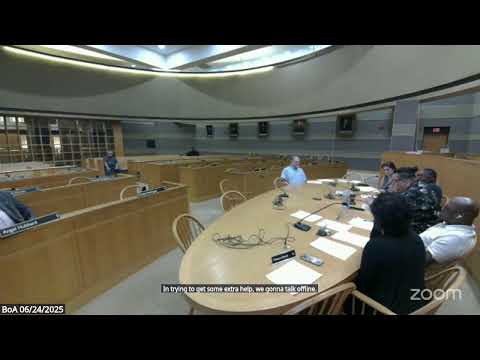
The New Haven Tax Abatement Committee voted to waive accrued interest on several motor vehicle accounts and to approve reduced balances or payment plans after hearing personal hardship testimony.
Draymond K. Sikes told the committee he is recovering from stage 3b lymphoma, has been unable to work, and has been homeless. Sikes asked for relief to register a car he needs for job prospects and child care. “I was diagnosed with stage 3 b cell lymph nodes lymphoma,” he said, describing medical treatment and lost earnings.
Committee members discussed removing taxes tied to a vehicle that Sikes said he did not own at a certain period and eliminating interest on other vehicle accounts. In Sikes’s case, the committee accepted staff recommendations to remove charges tied to a vehicle the petitioner identified as not currently his responsibility and to waive interest, leaving a small residual balance of $14.36; the committee set a six‑month period to clear that remaining amount. Members emphasized that this relief did not forgive current-year taxes and instructed staff to provide the petitioner with a written order to bring to the tax office so payments are processed correctly.
In other vehicle cases heard in the same session, the committee generally waived interest and, in some cases, reduced assessed balances where petitioners showed illness, extended inability to work, or credible evidence that mailed notices were not received. Members asked staff for a short presentation at a future meeting explaining how the tax office handles payment plans and collections so the committee can better align decisions with administrative constraints.
The actions are administrative and limited to the specific accounts considered at the hearing; they do not change city tax rates or collection rules.