
King Kamehameha Celebration Commission urges more stable funding for statues and statewide events
Get AI-powered insights, summaries, and transcripts
Subscribe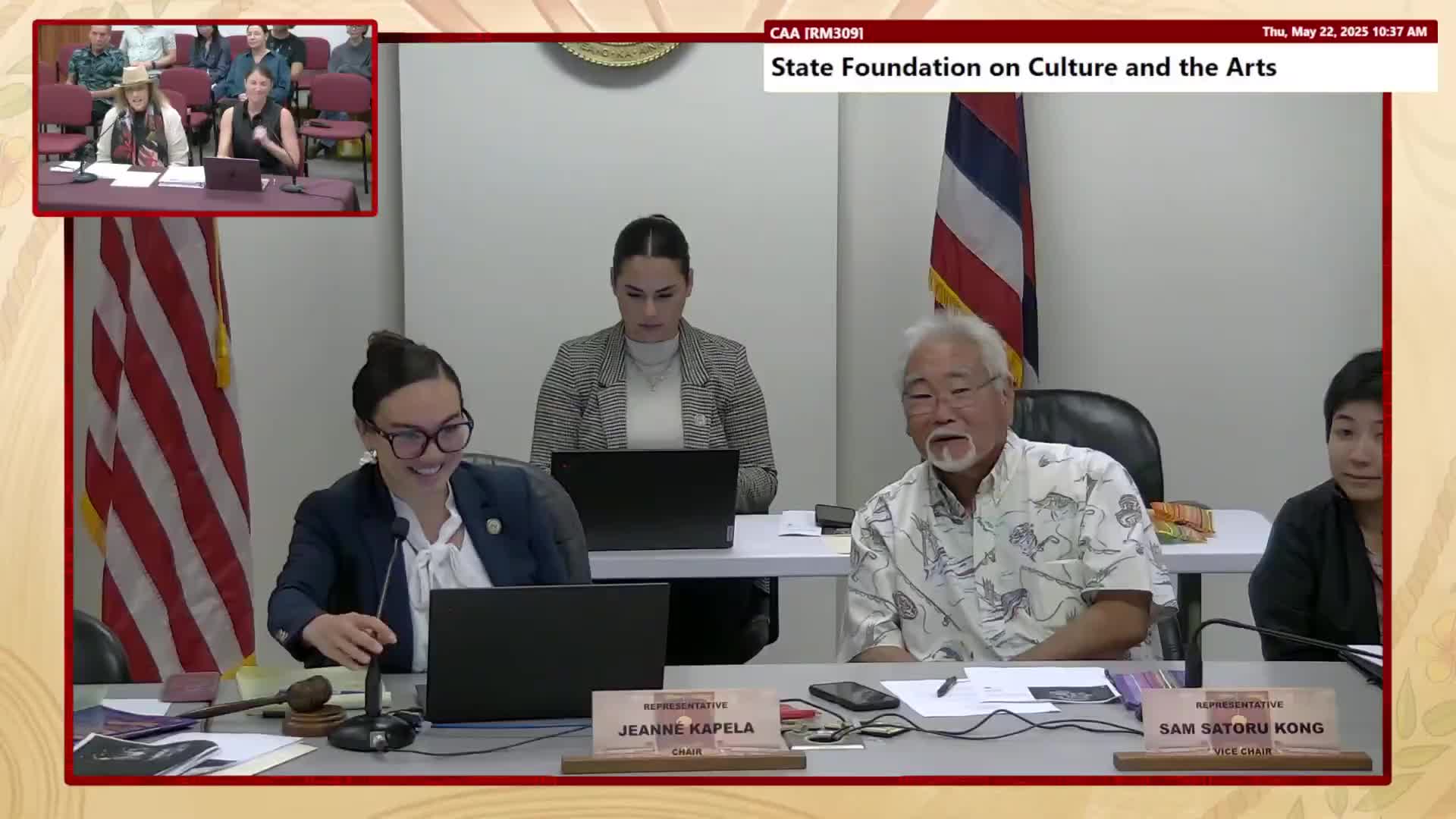
Summary
Commission officials told the House Committee on Culture, Arts & International Affairs that limited funding and staffing hamper statue preservation and event support for statewide King Kamehameha celebrations, and asked for clearer state support and coordination.
The King Kamehameha Celebration Commission told the House Committee on Culture, Arts & International Affairs on May 22 that limited resources are constraining maintenance of state statues and the commission’s ability to support 13 annual celebrations across the islands.
Amy Hammond, executive director of the King Kamehameha Celebration Commission, said the commission is a volunteer body of 15 Hawaiian community groups that organizes statewide events including multiple lei draping ceremonies, island parades and the Ho‘olea celebration. She said the commission receives administrative support and some funding from the State Foundation on Culture and the Arts but otherwise relies on grants, sponsors and volunteer labor.
“We don't get a whole lot of funding other than the funding that we secure from the state foundation,” Hammond said. “We feel very strongly … that this is not only a visitor attraction for these activities, but this is really for the local community.”
Kainoa Danes, chair of the commission, told the committee that the statue at Aliiolani Hale in Honolulu — a focal point for the statewide celebration — is “in desperate need of repair and aloha” and that grounds and landscape work around the mound need consistent caretaking. Danes noted the commission owns two statues and described coordination challenges when tour operators, visitors and local ceremonial groups converge at the site.
“It's much more than putting on a parade,” Danes said. “We do love the parade. We do love the cultural traditions that the parades provide… but the state’s kuleana to step up.”
Commission members and lawmakers discussed geographic inclusion for celebrations and asked whether the commission could more directly support events on parts of Oahu with large native Hawaiian populations, such as the Waianae Coast. Danes and Hammond said community groups can organize local celebrations and that the commission is prepared to endorse and support locally driven events, but stressed the commission’s staff and funding constraints.
Beverly Lee, incoming chair, asked for assistance and volunteer support and described decades of unpaid work by commissioners and community volunteers. Committee members acknowledged the commission’s long-standing cultural role and asked staff from the State Foundation to work with the commission on statue conservation and to explore options for more stable funding.
The commission requested clearer pathways for state funding and coordination with agencies that manage visitor access and groundskeeping at statue sites. Members of the committee said they would pursue continued conversations during the legislative interim.