Get Full Government Meeting Transcripts, Videos, & Alerts Forever!
Get email alerts on the Workforce Regulation topic
No spam. Unsubscribe anytime.
Commission advises first‑time pharmacy managers on staffing, reporting and record‑keeping duties
Summary
At a meeting in Hartford the commission addressed first‑time pharmacy managers, emphasizing minimum manager hours, technician ratios, reporting of closures and controlled‑substance discrepancies, and resources for impaired professionals.
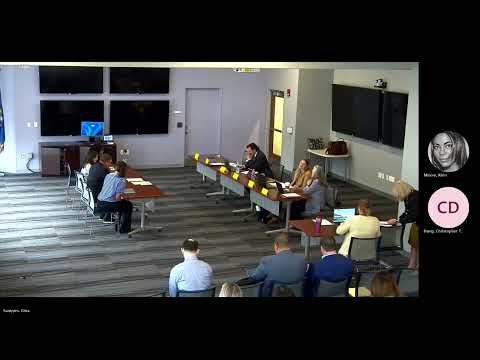
The Connecticut Commission of Pharmacy held an orientation for first‑time pharmacy managers and emphasized core responsibilities including staffing, recordkeeping and required reporting.
Chairman and commissioners outlined common inspection pitfalls and practical expectations. The chairman said a pharmacy manager must work a minimum of 35 hours per week and encouraged managers to track staff license expirations, continuing education and technician training logs. He told new managers to keep the pharmacy tech manual current and to ensure clerks and technicians have proper registration and name tags.
Commissioners reviewed technician‑to‑pharmacist ratios discussed in state guidance: the chairman cited a 3:1 ratio for nationally certified technicians and noted seasonal and certification exceptions that can affect ratios. On diversion and missing controlled substances, the chairman urged prompt reporting and recommended a 48‑hour target for reporting shortages to the department while advising managers to treat reporting as time‑sensitive.
Panelists also recommended use of the Prescription Monitoring Program (PMP) when required, double‑checking controlled‑substance deliveries before the supplier departs, documenting near misses and misfills through internal quality reports, and permitting Department of Consumer Protection agents timely access during inspections.
Commissioner Ngwate urged new managers to subscribe to FDA MedWatch alerts and to join professional associations for updates. Commissioners also highlighted the Haven Health program as an anonymous, confidential resource for pharmacists and interns dealing with impairment or burnout.
The commission framed the session as educational and urged managers to raise safety concerns with employers or the department when public safety is at risk.