Get Full Government Meeting Transcripts, Videos, & Alerts Forever!
Get email alerts on the Water Supply And Infrastructure topic
No spam. Unsubscribe anytime.
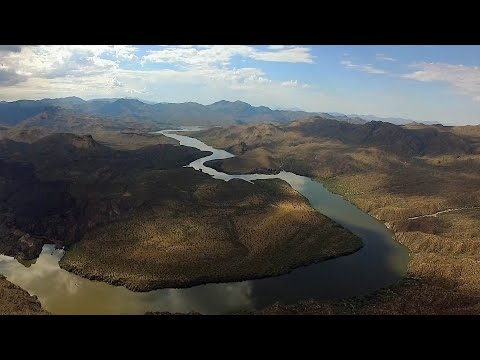
Presenter says Verde River supplies nearly 60% of Phoenix’s water; cites past dams and planned expansions
Summary
A presenter at a Phoenix event said the Verde River provides most of the city’s daily water and described dams built since the 1950s and ongoing work with partners to expand storage capacity.
A staff member, identified in the transcript as “Staff member” and speaking at an event in Phoenix, said the Verde River provides “nearly 60% of the water Phoenicians use every single day” and described historical dam construction and plans to expand storage.
The presenter said Phoenix has invested in dams along the Verde River since the 1950s to store water for shortages and that the city is “working with partners to expand these dams,” adding that the river “is one of the last rivers in the Southwest that flows year round” and supports wildlife and Central Arizona agriculture.
The remarks framed the Verde River as central to Phoenix’s water supply and regional agriculture. The presenter characterized the river as a “cornerstone of life in the Southwest,” emphasizing both municipal and agricultural uses.
The transcript did not specify the names of the dams, the partners involved, funding sources, timelines for expansion, or whether any formal city action was taken during the event. The presenter did not provide supporting citations for the 60% figure or for the year-round flow claim; those statements are attributed here to the presenter as given in the transcript.
No motions, votes, or formal directives were recorded in the transcript excerpt provided. The remarks appear informational: describing past investments, current cooperative work, and the river’s ecological and agricultural importance.