Get Full Government Meeting Transcripts, Videos, & Alerts Forever!
Get email alerts on the Emergency Medical Transportation topic
No spam. Unsubscribe anytime.
Legislative auditors: clarify statewide ambulance-rate methodology and local oversight for interfacility transfers
Summary
A legislative audit recommended clearer rules for setting Utah's statewide ambulance rates and shifting oversight of interfacility (non-911) transfers toward local governments; the committee was told the 2025 Legislature enacted bills addressing the audit's proposals.
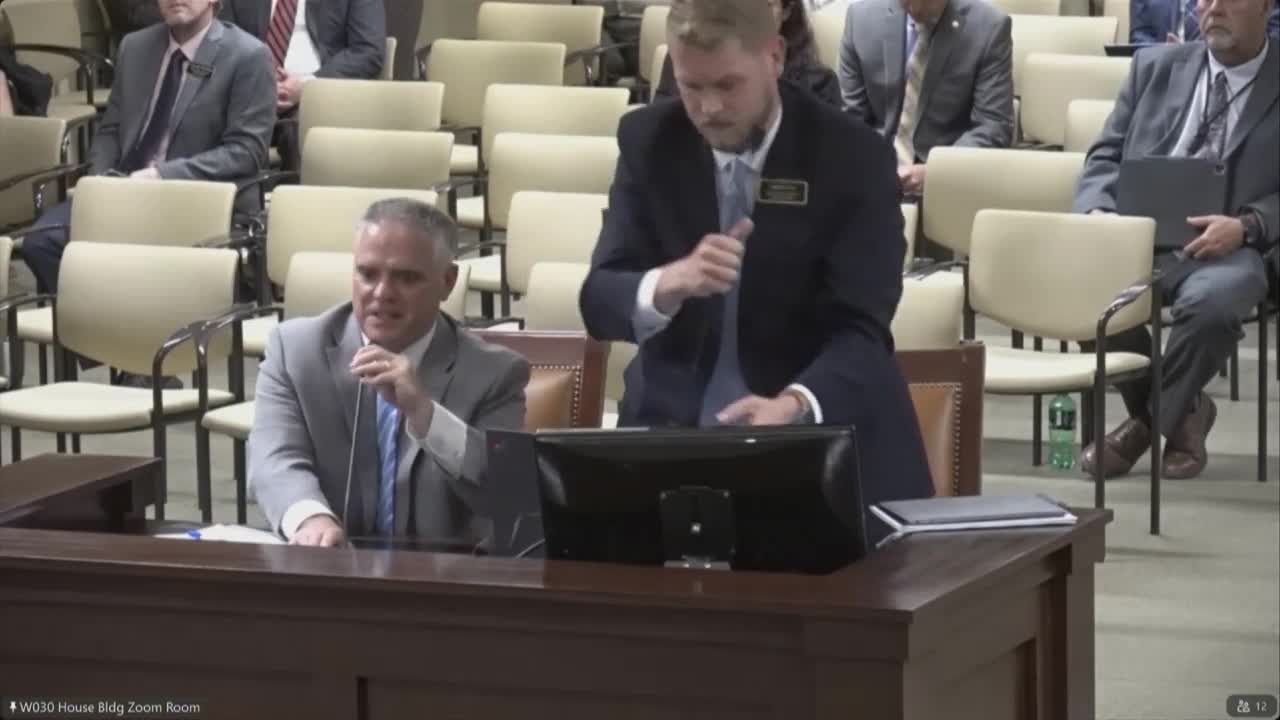
Legislative auditors briefed the Law Enforcement and Criminal Justice Committee on June 26 about findings from a review of Utah’s ground-ambulance system, urging clearer rate-setting practices and stronger local accountability for interfacility transfers.
Brian Dean, legislative deputy auditor general, said hospital staff across the state reported long wait times, equipment problems and training concerns when transferring patients between facilities. The auditors found municipalities provide 911 ambulance oversight while the Bureau of Emergency Medical Services (BEMS) licensed and supervised many interfacility transfers — and that interfacility billing revenue is an important funding source for some EMS providers.
“Agencies throughout the state that perform interfacility transfers are relying on this money to support their EMS agencies,” the auditors reported, noting cases where interfacility billing supplied a large share of local EMS revenue. The auditors recommended giving cities and counties greater authority over who performs interfacility transfers to align local accountability with funding and service delivery.
Dean told the committee the audit prompted three legislative bills during the last session — Senate Bill 215 (interfacility transfer oversight), House Bill 391 (fines) and House Bill 301 (rate-setting) — and that those measures implemented the audit’s legislative recommendations.
The auditors also advised BEMS to publish a transparent, documented approach for setting Utah’s statewide maximum ambulance rate and the data used to calculate it. Committee members asked bureau officials about statewide rate design and how Utah compares with neighboring states; bureau staff said Utah’s base-rate structure is unique and that the statewide maximum is a necessary component of the Medicaid reimbursement arrangements the state uses.