Get Full Government Meeting Transcripts, Videos, & Alerts Forever!
Report: Utah tax and benefit rules produce marriage "penalties," but state can change thresholds
Summary
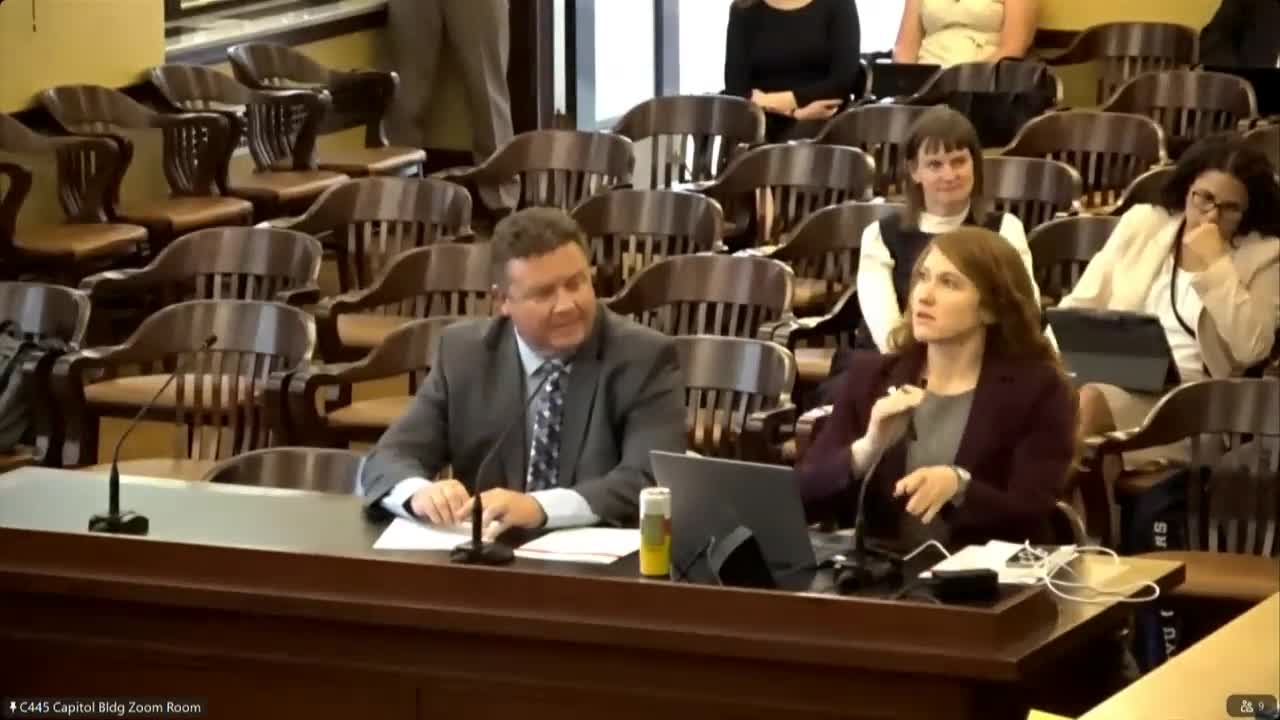
Economists from the Kempsey Gardner Policy Institute told the Utah Revenue and Taxation Interim Committee on June 18 that several Utah tax credits and benefit eligibility rules produce marriage penalties or household-composition penalties; most can be changed by statute, though many federal benefit rules are fixed.
Economists from the Kempsey Gardner Policy Institute told the Revenue and Taxation Interim Committee on June 18 that several Utah tax and benefit rules create so‑called "marriage penalties," meaning benefit amounts or income thresholds for married filers do not scale proportionally from single filers.
The findings matter because marriage penalties can affect eligibility for state-administered benefits and state income‑tax credits. "A marriage penalty occurs... in a tax provision or a benefit program where the benefit amount or the income threshold for married filers does not exactly double the benefit amount or the income threshold for single filers," said Maddie Orritt, senior public finance economist at the Kempsey Gardner Policy Institute.
The institute identified three ways marriage penalties show up in state law: direct single-to‑married penalties; head‑of‑household to married penalties; and household‑composition effects…
Already have an account? Log in
Subscribe to keep reading
Unlock the rest of this article — and every article on Citizen Portal.
- Unlimited articles
- AI-powered breakdowns of topics, speakers, decisions, and budgets
- Instant alerts when your location has a new meeting
- Follow topics and more locations
- 1,000 AI Insights / month, plus AI Chat