Get Full Government Meeting Transcripts, Videos, & Alerts Forever!
Get email alerts on the Correctional Standards topic
No spam. Unsubscribe anytime.
State and county officials outline updated jail standards, audits and local programs
Summary
The Department of Corrections and county sheriffs described an updated, publicly posted standards program covering 28 contracted facilities, monthly auditing by five DOC staff and county innovations such as therapeutic‑community treatment and expanded recreation funded by new contract formula.
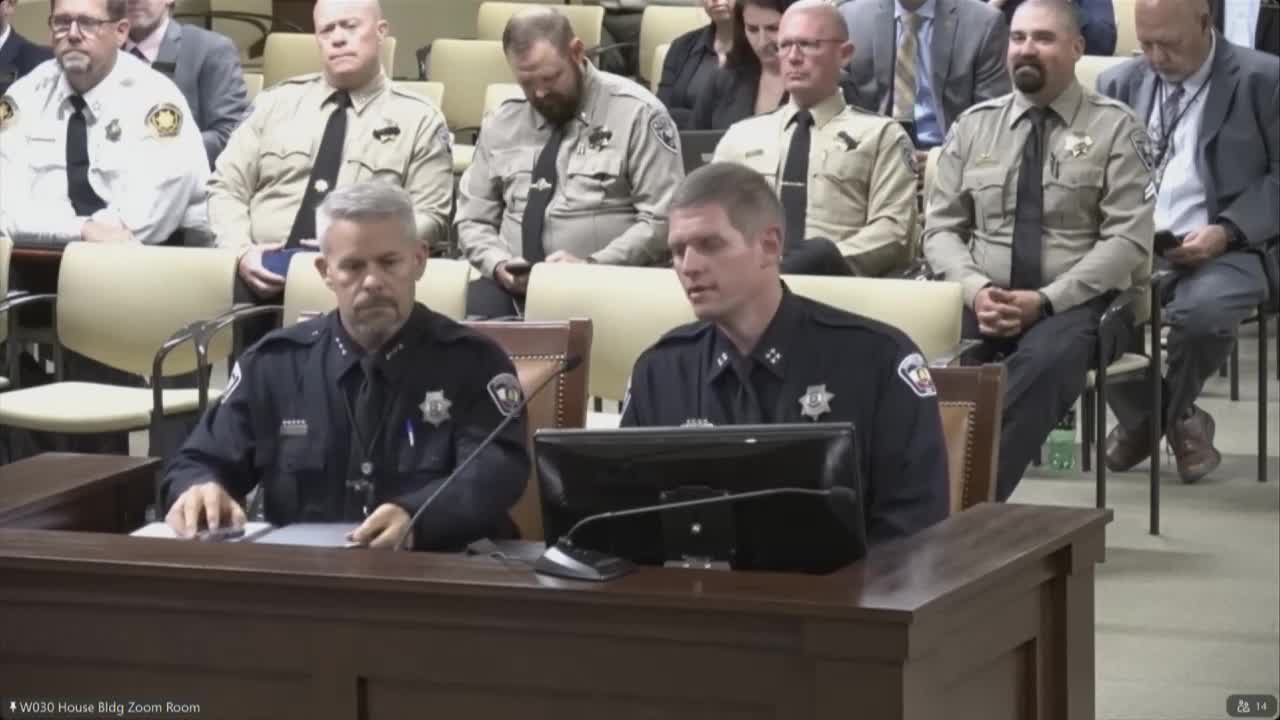
Department of Corrections deputies and county sheriffs briefed the Law Enforcement and Criminal Justice Committee on June 26 about the state’s correctional-standards program, audit processes and county-level practices for jails that contract with the state.
Deputy Executive Director Spencer Turley and Chief Brian Kenny described a standards-review process begun in 2024 with a projected update this October and implementation planned for July 1, 2026. Turley said the standards are applied to 28 contracted facilities (state prisons, six community correctional centers and 20 county jails) and that five full‑time UDC standards auditors make monthly visits and quarterly checks on high‑priority topics such as lighting, counts and food service.
Turley told the committee the standards are publicly available on the DOC website and summarized the compliance proofs auditors collect — facility logs, DVR footage, photos and interviews — and that audit teams debrief facility leadership after inspections.
County sheriffs and jail leaders described local approaches. Weber County said it pursued accreditation through the American Correctional Association and conducts frequent self‑audits; Weber’s sheriff and lieutenant highlighted programs including medication-assisted treatment, a RISE therapeutic community model and educational offerings tied to a local district’s diploma program. Kane County Sheriff Tracy Glover described a treatment-focused contract that houses state inmates requiring substance-use treatment and said predictable contract funding allowed investments in exercise yards and vocational planning.
Sheriffs and jail administrators invited committee members to visit local facilities and asked the committee to continue work on minimum statewide standards and continuous improvement across facilities. No committee action was recorded at the meeting.