Citizen Portal

Senators and federal agents say U.S. guns are arming Mexican cartels; call for supply‑side action

5098647 · June 24, 2025

Get AI-powered insights, summaries, and transcripts

Subscribe
AI-Generated Content: All content on this page was generated by AI to highlight key points from the meeting. For complete details and context, we recommend watching the full video. so we can fix them.

Summary

Senators pressed DEA, HSI and FBI witnesses on the flow of firearms from the United States to Mexican cartels, discussed proposed legislation and highlighted law-enforcement seizures and investigations into straw purchases and outbound trafficking.

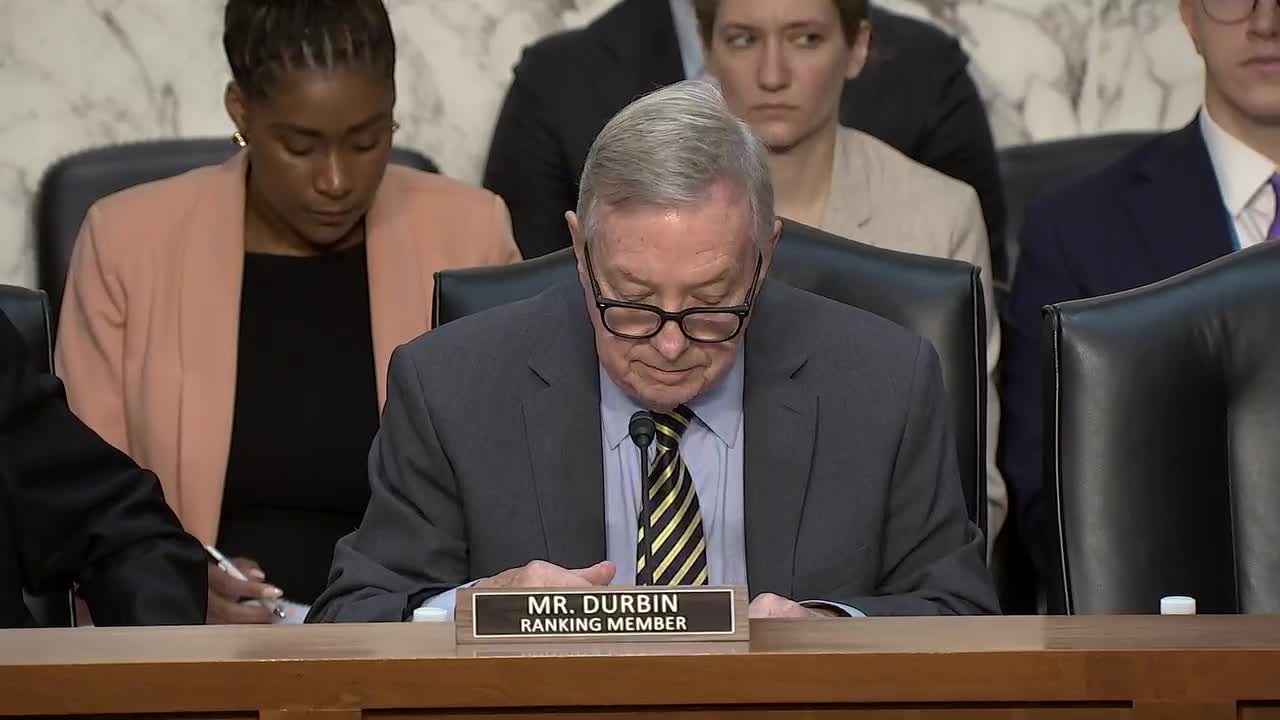
Senator Dick Durbin told the Judiciary Committee he introduced the Stop Arming Cartels Act and urged tighter controls on high‑powered weapons and civil remedies for dealers who knowingly arm cartels. "If your firearms dealership is gonna knowingly transact with these cartels, should you be stopped? Should you be held responsible? I think the answer is obvious," Durbin said.

Why it matters: Multiple senators and witnesses agreed that firearms trafficked from the United States empower cartel violence in Mexico and contribute to violence along the border and inside the United States. Durbin cited ATF data in committee remarks that, he said, show roughly 70 percent of guns recovered in Mexico are traced to the United States.

Law-enforcement testimony and evidence: Jason Stevens described recent HSI outbound‑inspection operations in the El Paso region and told the committee his teams seized thousands of rounds of ammunition and large‑caliber weaponry during recent operations. "Over this past, last 2 operations we've worked, we've seized over 19,000 rounds of 7.62 millimeter ammo, over 60 rounds of 50 caliber, 400 rounds of .22, .303 rifles, 4 pistols, 1 50 cal," Stevens said. Jose Perez said the FBI encounters firearms across cartel and gang investigations and that prosecutions are pursued where dealers or co‑conspirators are complicit. "If we identify any co‑conspirators that are complicit ... we're going to investigate that to the full extent we can," Perez said.

Investigative limits and interagency roles: Witnesses stressed that ATF handles specific firearms-tracing and licensing inquiries while HSI and FBI focus on outbound inspections, trafficking networks and financial flows. Stevens said HSTF improves day‑to‑day coordination with ATF and Customs and Border Protection. Committee members repeatedly asked witnesses to provide the committee with more granular data on prosecutions, identified dealers, and operational results.

Legislative and policy responses: Durbin said the Stop Arming Cartels Act would restrict easy access to high‑powered rifles and enable civil suits against dealers who knowingly transact with cartels. Several senators also referenced other bills and proposals discussed in the hearing record, including earlier bipartisan steps to criminalize straw purchasing and trafficking under the Safer Communities Act.

Outcome: No formal votes or enacted measures were taken at the hearing. Senators asked for additional operational data and for agencies to provide follow‑up responses to written questions.