Lifetime Citizen Portal Access — AI Briefings, Alerts & Unlimited Follows
DEA, HSI and FBI tell Senate cartels operate like paramilitary groups; urge whole-of-government task forces
Loading...
Summary
Top federal agents told the Senate Judiciary Committee that Mexican drug cartels have entrenched logistics, personnel and finances in the United States and abroad, urging continued interagency task forces and sustained resources to disrupt leadership, trafficking and money flows.
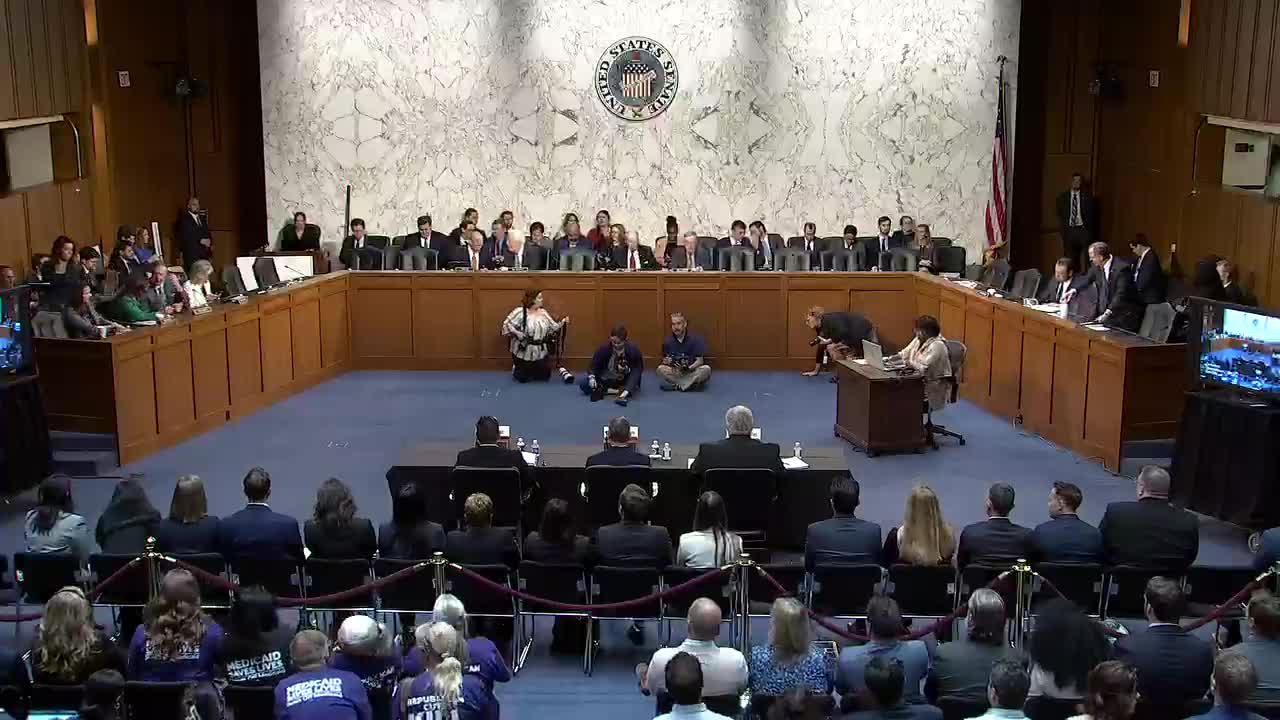
Chairman Grassley convened a Senate Judiciary Committee hearing where Matthew Allen, special agent in charge of the Drug Enforcement Administration’s Los Angeles field division, Jason Stevens, special agent in charge of Homeland Security Investigations’ El Paso field division, and Jose Perez, assistant director in the FBI’s Criminal Division, described cartels as highly organized, violent networks with global reach.
The witnesses said cartels operate with corporate-style logistics and battlefield tactics and that investigators are seeing leadership and money laundered into U.S. communities. "We're not dealing with street dealers and smuggling mules," Allen said, describing large-scale cartel operations and a recent Los Angeles raid in which agents found a mural and luxury assets that investigators tied to cartel leaders.
Why it matters: Committee members on both sides of the aisle framed the cartel threat as a national security and public-safety priority that stretches beyond the border. Witnesses argued that disrupting networks requires intelligence sharing, cross-border cooperation and financial-pressure tools. Stevens described the Homeland Security Task Force (HSTF) as a new, co‑located, multiagency effort that brings FBI, HSI, DEA, ATF and state and local partners together to “dismantle criminal networks from transportation networks to international finance, to command and control.” Perez said the FBI is using FTO designation and task-force collaboration to expand investigative tools and intelligence collection.
Agents gave specific examples they said demonstrate cartel capacity and brazenness. Allen recounted seizing more than $3.5 million in assets and cash at a Riverside residence connected to cartel affiliates, and said cartel operatives have surveilled DEA agents and informants in the U.S. Stevens and Perez described large, multiagency seizures, arrests and international cooperation that led to major disruptions before narcotics reached U.S. markets.
The witnesses sketched a multi-pronged enforcement posture that includes targeting leaders, disrupting supply chains, freezing assets and pursuing financial networks. Stevens said HSI is following money laundering conduits including alleged Chinese laundering networks; Perez highlighted joint FBI efforts that have more than 6,000 active investigations into transnational criminal organizations. Allen and Stevens also described human-trafficking and violent-crime links with cartels and said cartel operatives recruit and exploit vulnerable populations.
Committee members asked about cooperation with Mexican authorities, corruption in Mexico, and whether Mexico is more of a partner or part of the problem. Perez and Stevens said the U.S. maintains extensive vetting and liaison work in Mexico and described both longstanding corruption and an increase in cooperative operations, including intelligence sharing and joint investigations. "We have had some successes in that space and we're going to continue and try and build on that," Stevens said.
The hearing closed with senators emphasizing bipartisan support for continued resources and legal tools. Witnesses repeatedly requested sustained resourcing for intelligence, technology and personnel to pursue leaders, follow the money and protect agents. There were no committee votes at the hearing; senators will submit written questions for the record.