
Senate Commerce Committee advances COPPA 2 to strengthen online privacy for ages 13–16
Get AI-powered insights, summaries, and transcripts
Subscribe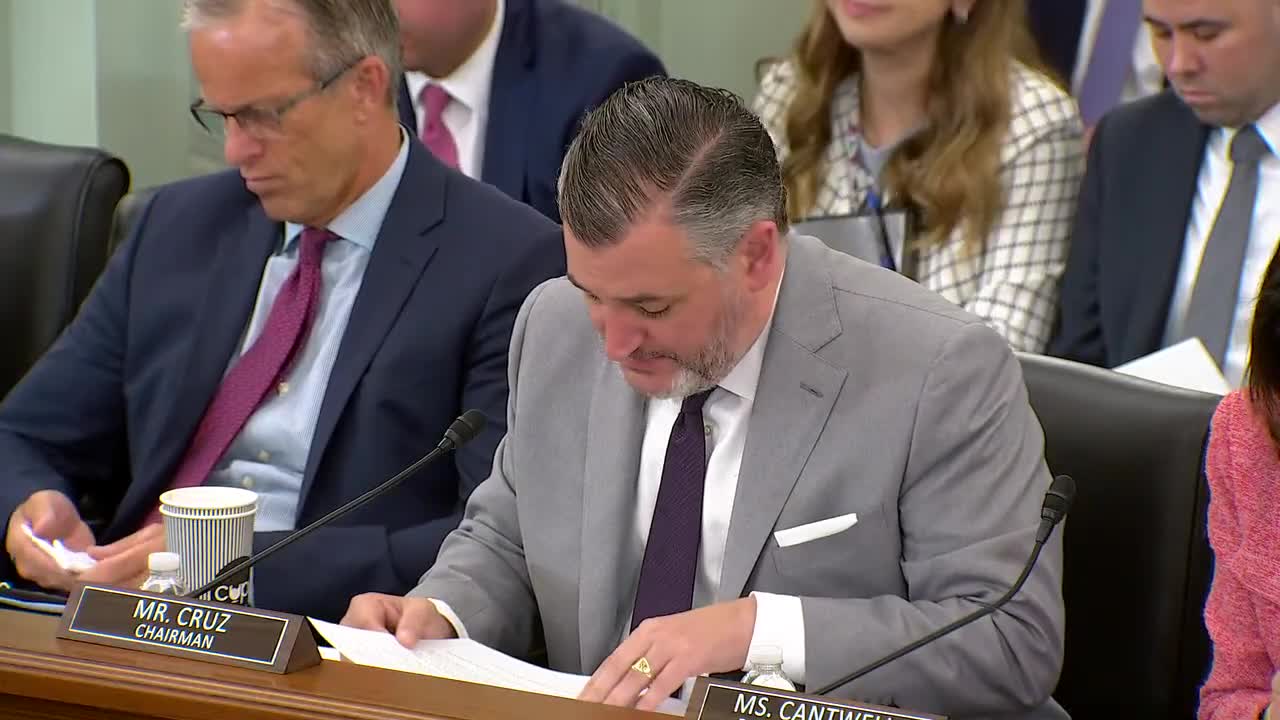
Summary
The committee unanimously ordered favorably reported the Children and Teens Online Privacy Protection Act (COPPA 2), which would expand federal protections for minors aged roughly 13–16, ban targeted advertising to youths and add data‑eraser rights.
The Senate Commerce, Science, and Transportation Committee favorably reported the Children and Teens Online Privacy Protection Act (COPPA 2), legislation to expand online privacy protections for minors beyond the original 1998 law.
Committee members described COPPA 2 as updating protections for minors between about ages 13 and 16, expanding the definition of personal information to include geolocation and biometric data, and changing the knowledge standard to “actual knowledge or knowledge fairly implied.” Sponsors said the bill would ban targeted advertising to children and teenagers and create an “eraser” right to remove personal data.
Supporters tied the bill to youth mental‑health concerns and cited Centers for Disease Control and Prevention statistics discussed in the markup about suicide attempts and ideation among teenage girls and LGBTQ students; the committee record included a statement that Google publicly endorsed COPPA 2. Committee leaders said the bill has broad bipartisan support and has previously passed the Senate by voice or large margin.
In the markup the committee ordered S.836 (Children and Teens Online Privacy Protection Act as amended) to be reported favorably along with several other bills. Members signaled intent to continue work in the full Senate and with the House to advance the measure.
No new appropriation or implementation timetable was adopted in committee markup; sponsors said enforcement and definitional changes were core components that will require rulemaking if enacted.