Lifetime Citizen Portal Access — AI Briefings, Alerts & Unlimited Follows
Senators press Powell on reputational risk, supplemental leverage ratio and capital rules; Wells Fargo cap removal noted
Loading...
Summary
The Senate committee questioned Federal Reserve Chair Jerome H. Powell about supervisory changes at the Fed, planned revisions to the capital framework including the supplemental leverage ratio, and agency actions such as removing Wells Fargo’s asset cap.
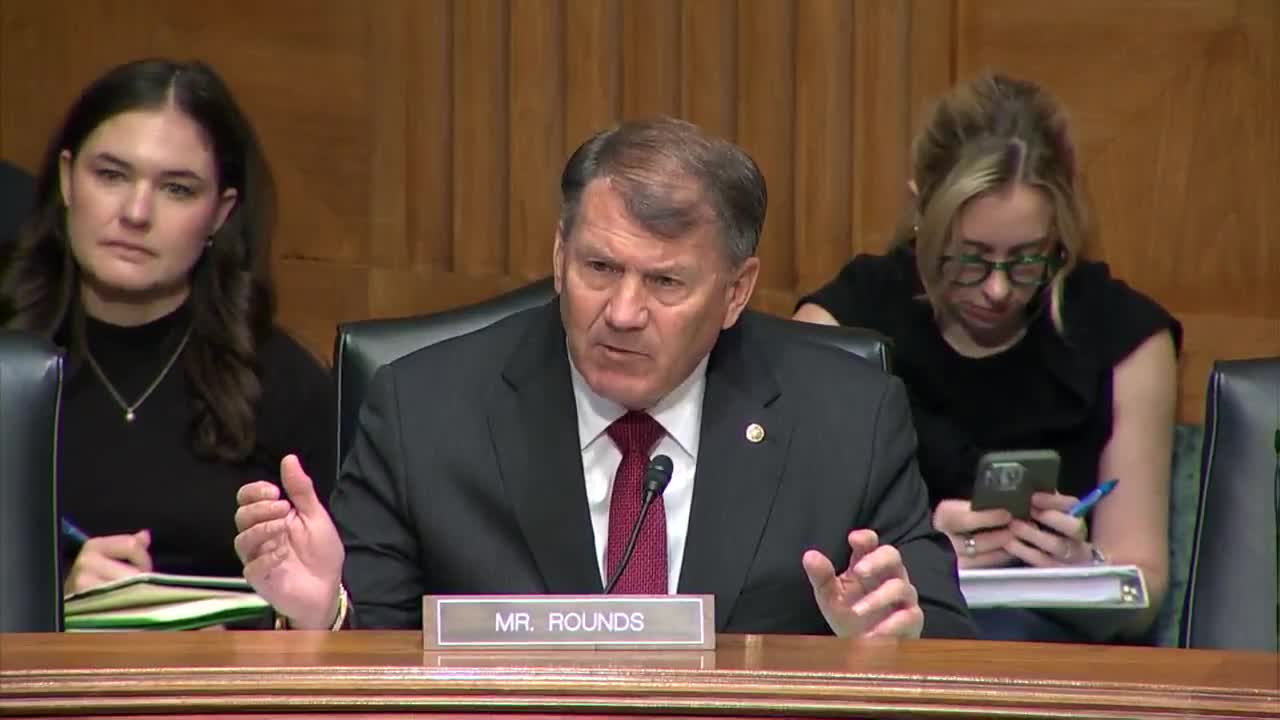
Senators on the Banking, Housing, and Urban Affairs Committee used Chair Jerome H. Powell’s appearance to probe the Federal Reserve’s supervisory posture, capital‑framework reviews and what Powell described as a move away from reliance on subjective ‘‘reputational risk’’ in examinations.
Powell said the board has identified reputational risk in prior supervisory materials and has moved to clarify how examiners should treat it. He told the committee that Vice Chair for Supervision Michelle Bowman, a former supervisor, ‘‘speaks that language’’ and will be central to implementing changes at the examiner level.
On capital rules, Powell said the Fed is preparing actions on two main fronts: a Basel III ‘‘endgame’’ re‑start with the Office of the Comptroller of the Currency and the FDIC, and a proposal on the supplemental leverage ratio (SLR) that the board would vote to publish for comment. He described the SLR as intended to be a backstop to risk‑based capital requirements and said the current package aims to restore that backstop role.
Wells Fargo asset cap removal and stress‑test transparency
Committee members pressed about past supervisory penalties. Powell confirmed the Fed voted unanimously to remove an asset cap placed on Wells Fargo after the bank satisfied conditions the agencies had imposed. He said the decision followed the bank meeting required benchmarks and was taken in coordination with other agencies.
Several senators asked about stress‑test transparency and timing. Powell said the Fed intends to publish models later this year and is working on smoothing test results year‑to‑year to reduce volatility in outcomes.
CRA, discount window and deregulatory guidance
Powell told the committee the Fed, FDIC and OCC intend to withdraw the 2023 proposed community reinvestment rule and revert to prior regulations while considering future changes. He also said the discount window needs technological modernization so institutions can access it more readily.
Why it matters: Changes to how the Fed supervises banks, the design of capital standards and approaches to stress testing have direct consequences for bank lending, community banks’ costs of compliance and the resilience of the U.S. financial system. Powell said the board’s objective is to maintain safety and soundness while aligning capital rules so that risk‑based requirements, not blunt leverage constraints, determine incentives.
What the committee asked for: Senators repeatedly sought assurances that supervisors will not use subjective guidance to ‘‘debank’’ lawful customers, and asked that implementation of guidance reflect clearer, objective standards. Powell pointed to Bowman’s supervisory background and said he expects more clarity will follow.