Get Full Government Meeting Transcripts, Videos, & Alerts Forever!
Senators question heavy Guam MILCON plans; DOD says it will study dispersal and labor needs
Summary
Senators expressed concern that planned MILCON on Guam represents an overconcentration of forces and could create strategic vulnerabilities. DOD officials said they are undertaking a holistic Guam master plan and support continued H‑2B visa authority for construction labor in the region.
Senators pressing Defense witnesses said the large scale of planned military construction on Guam risks overconcentration of U.S. forces in a small geographic area and could create vulnerabilities in a conflict scenario.
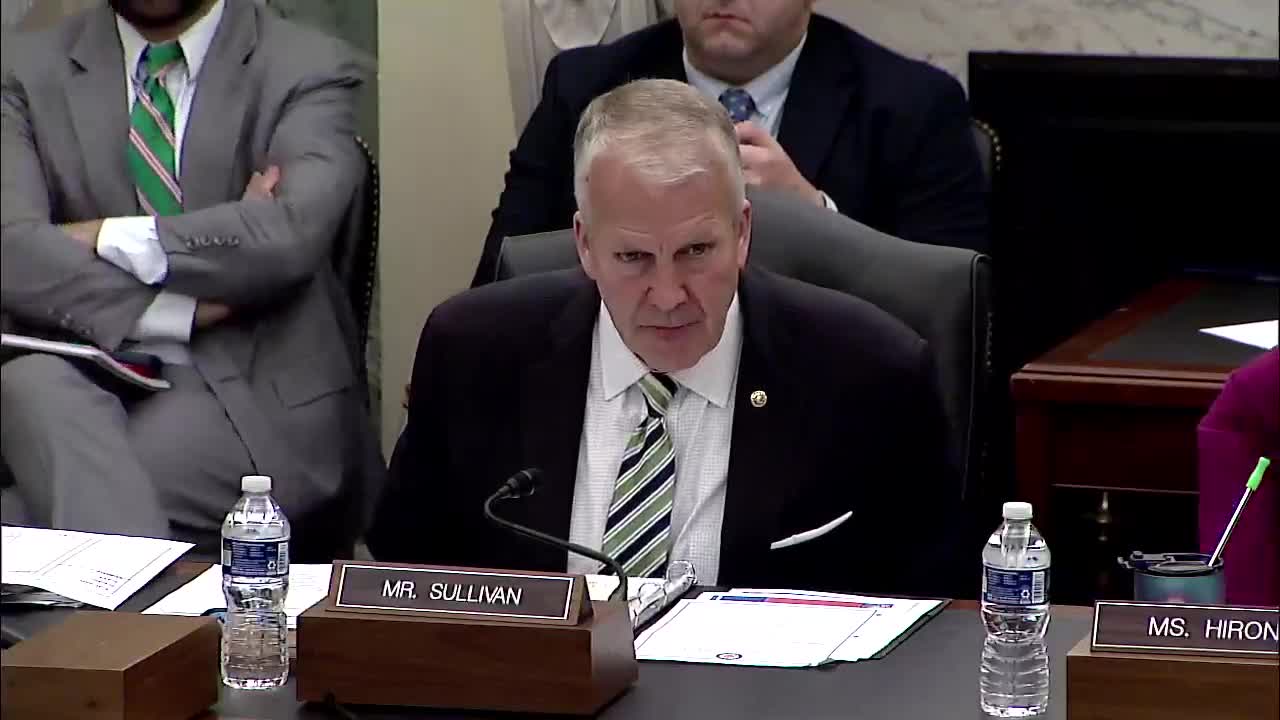
"The current projected MILCON in Guam ... go up from $4.7 billion in current projects to over $46 billion in planned future projects," Sen. Dan Sullivan said. He added that some service estimates put the figure "north of $50 billion" and asked…
Already have an account? Log in
Subscribe to keep reading
Unlock the rest of this article — and every article on Citizen Portal.
- Unlimited articles
- AI-powered breakdowns of topics, speakers, decisions, and budgets
- Instant alerts when your location has a new meeting
- Follow topics and more locations
- 1,000 AI Insights / month, plus AI Chat