Citizen Portal

Senators urge faster fielding of counter‑UAS and drone capabilities; Army asks for agile authorities

5098195 · June 18, 2025

Get AI-powered insights, summaries, and transcripts

Subscribe
AI-Generated Content: All content on this page was generated by AI to highlight key points from the meeting. For complete details and context, we recommend watching the full video. so we can fix them.

Summary

Senators and Army leaders agreed on the importance of counter‑UAS and drone capabilities after lessons from Ukraine and recent regional strikes. Generals said the Army plans to spend more on counter‑UAS, experiment with “drone‑on‑drone” tactics, and seek modular open architectures and agile funding to keep pace with rapid changes.

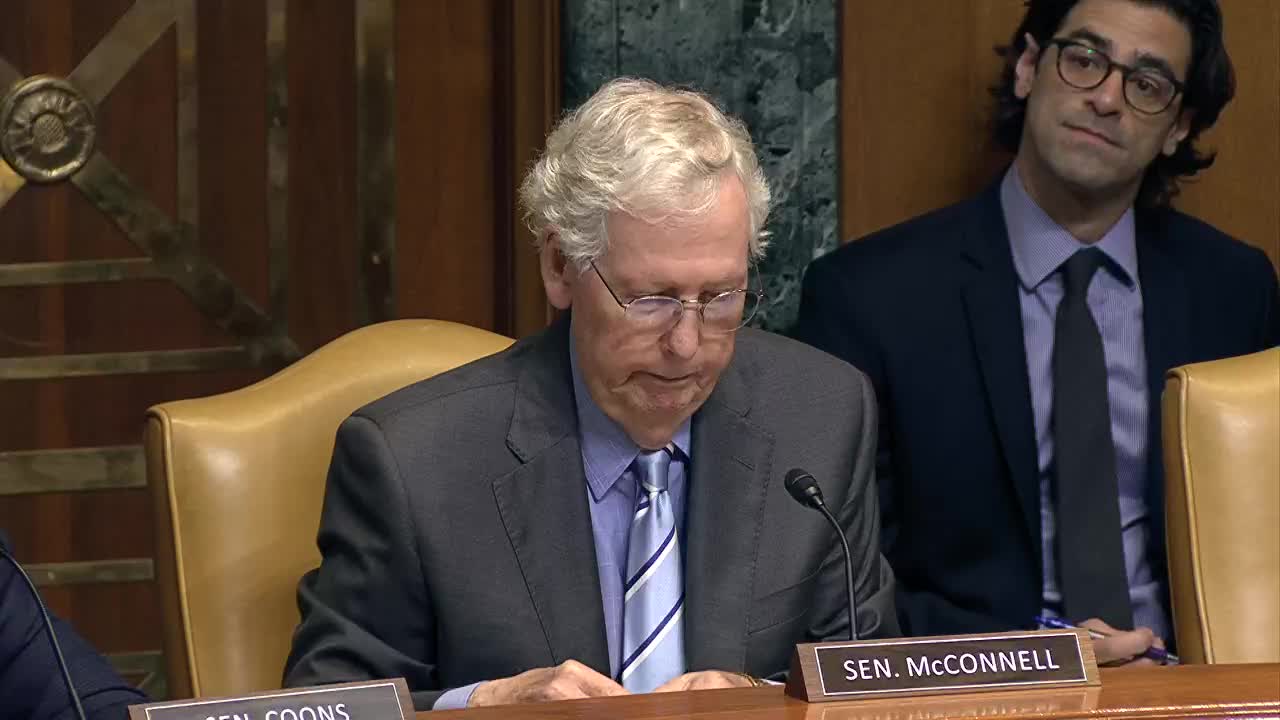
WASHINGTON — Senators and Army leaders agreed at a Senate appropriations subcommittee hearing that counter‑UAS and related electronic‑warfare capabilities must be fielded more quickly, and that the Army needs flexible buying authorities to keep pace with rapidly changing drone technology.

Gen. Randy George told senators “you’re gonna see… that we’re gonna spend a lot more money on, specifically, on counter UAS,” and described a mix of directed energy, kinetic interceptors and drone‑on‑drone tactics the service is testing. Secretary Dan Driscoll and George stressed that Ukraine and recent strikes in the Middle East have shown how inexpensive drones and creative tactics can create outsized effects on the battlefield.

The Army said it is prioritizing a data layer that syncs sensors and weapons so targeting and defensive systems can operate in near real time. George and Driscoll said modular open system architecture, iterative purchases and “buying capabilities rather than specific programs” are crucial because counter‑drone technology can change on timelines measured in weeks.

Base vulnerability and authorities: Senators raised concerns about U.S. bases’ vulnerability to small drones and the need for clearer authorities for non‑kinetic responses in domestic airspace. Gen. George noted regulatory and airspace limits — “a lot of times we don't own the airspace around that… FAA, FCC” — and said resolving those constraints is part of the solution.

Manufacturing and industrial base: Witnesses and senators discussed drone part production — motors, controllers, antennas and wiring harnesses — and the need to grow domestic manufacturing capacity for both offensive unmanned systems and counter‑UAS components. Driscoll and George said a mixture of organic facilities and private‑sector partners will be necessary to scale production rapidly.

Next steps: Army leaders said they will continue experiments and brief the committee on exercises that test integrated sensor and effectors, and they asked Congress for authorities and predictable funding that would allow faster procurement and fielding of counter‑UAS systems.