Get Full Government Meeting Transcripts, Videos, & Alerts Forever!
Get email alerts on the Organic Industrial Base topic
No spam. Unsubscribe anytime.
Senators press Army on depot closures, munitions production and magazine depth
Summary
Senators asked Army leaders whether depots and munitions capacity that underpin magazine depth and surge production would be preserved as the Army retools its force.
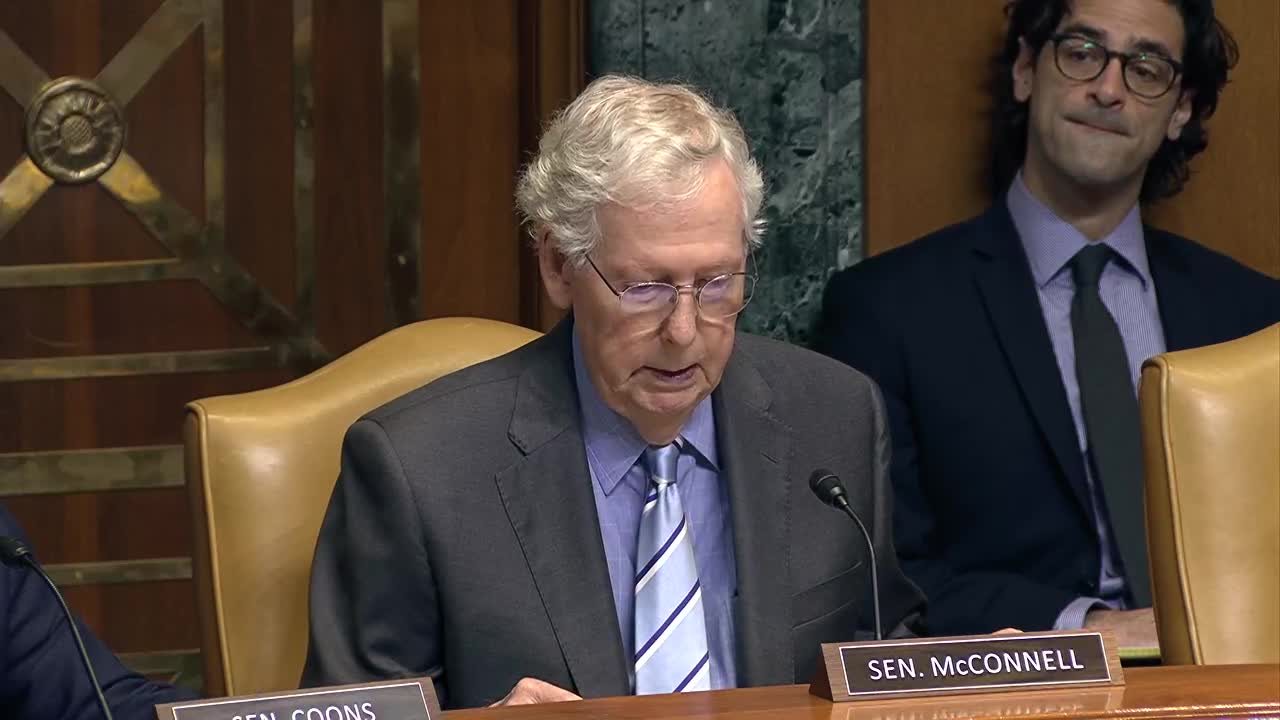
WASHINGTON — Senators at a Senate Appropriations subcommittee hearing questioned Army leaders about reports the service might mothball some organic industrial facilities even as the department emphasizes sustaining depot capacity and expanding munitions production.
Chairman McConnell and other senators said depots in states including Kentucky, Arkansas and Alabama have skilled workforces and public‑private partnerships that should be preserved. They asked whether the Army intends to shut down facilities such as Bluegrass, Pine Bluff, Anderson and Red River and how such steps would square with stated priorities to modernize the organic industrial base.
Secretary Dan Driscoll said he agreed the organic industrial base is a priority and acknowledged difficult choices about investments at locations that produce items the Army now believes it can better source or that duplicate capacity. Gen. Randy George said the Army recognizes its magazine depth is “low” and that organic capacity must be part of the solution; he said the service is building plans to better use existing resources and be “good custodians of the American taxpayers dollars.”
Munitions and production: Senators cited investments the committee made in solid rocket motor production and other munitions capacity. Gen. George said the Army is funding production “to capacity where we can,” and both Driscoll and George described a mix of organic and private capacities as necessary. Senator Sharon Cavanagh noted Allegheny Ballistics Laboratory’s planned output and asked whether the Army is maximizing existing capacity before investing in new sites; Army leaders said they are pursuing both organic and private options.
Local facilities and workforce effects: Senators and witnesses discussed Rock Island Arsenal as an example of a depot with rapid response capability and urged the Army to allow local arsenals and smaller firms to bid for work. Driscoll said the Army is trying to help companies that suffer harm from program changes “bridge to what the army needs,” and urged congressional partnerships to modernize depots.
What remains unresolved: Senators asked for clearer plans showing which depot investments will continue, how the Army will use reprogrammed funds from ATI to support production gaps, and how the service will measure magazine depth improvements. Army leaders promised to provide details and work with the committee to shape production and depot modernization plans.