Citizen Portal
Sign In

Committee Presses Navy on Munitions Shortfalls After Middle East Operations

5098194 · June 24, 2025

Loading...

AI-Generated Content: All content on this page was generated by AI to highlight key points from the meeting. For complete details and context, we recommend watching the full video. so we can fix them.

Summary

Senators asked Navy leaders how FY26 funding and industrial capacity will address high rates of munitions expenditure in the Red Sea and the Middle East, and whether the budget fully uses production capacity for interceptors and long‑range fires.

Senators said recent operations in the Red Sea and elsewhere have placed intense demand on interceptors, long‑range fires and other ordnance and asked whether the FY26 budget and industrial base investments are sufficient to replenish stockpiles and expand production.

Why it matters: Committee members tied munitions availability to near‑term combat operations and deterrence, asking whether the Navy is using the full production capacity of the defense industrial base and what measures the department is taking to drive down the cost per round.

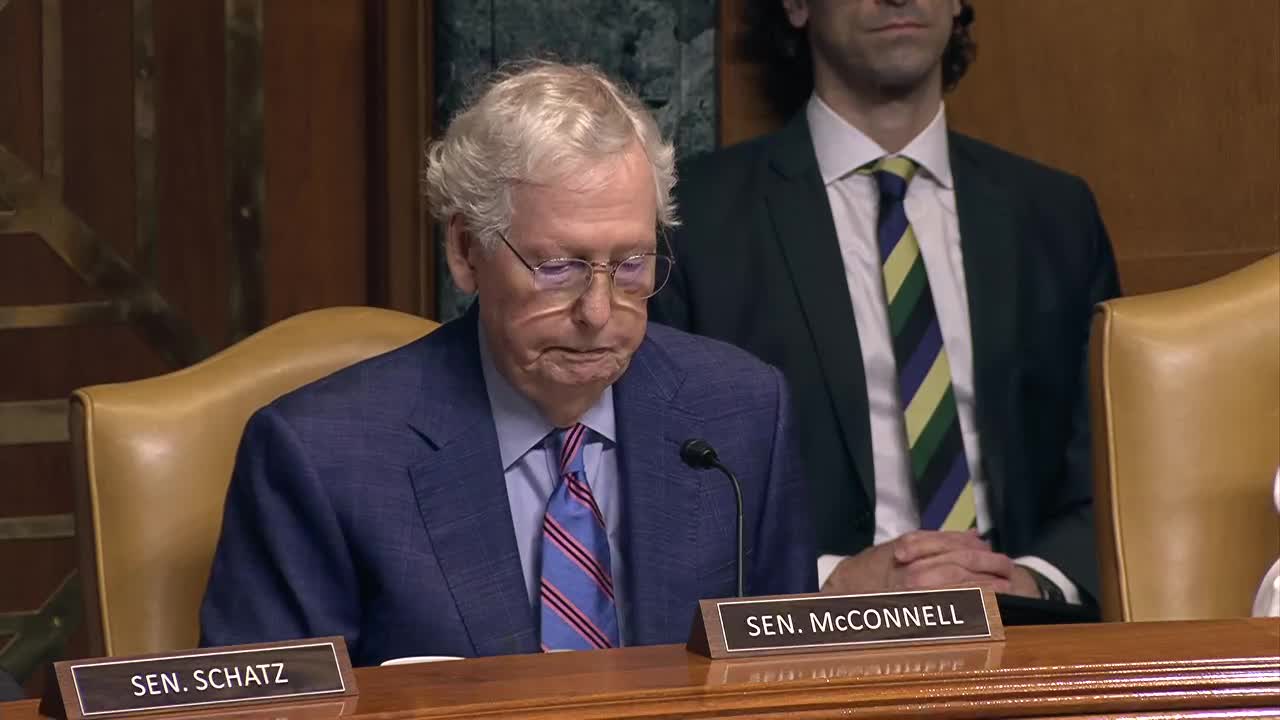
Senator Brian Schatz cited the Red Sea and other regional activity and said the Navy’s FY26 base request leaves the department $8 billion below the FY25 continuing resolution and relies on reconciliation money for additional procurement. He told Secretary Phelan that “failing to address the current shortfalls caused by the CR means that the Navy will not be able to successfully deter the threats posed by China.”

Secretary Phelan acknowledged the urgency for munitions production and said the department is pursuing multiple avenues, including working with traditional prime contractors and new entrants, and will return to the committee with ideas and suggestions. “Fully funding our munitions industrial base is essential both for the near term and the future,” he said.

Admiral Kilby told senators the Navy currently has SM‑3 interceptors but is using them at an “alarming rate” in defense of Israel, and that the missiles are procured by the Missile Defense Agency and then delivered to the fleet. Senators asked whether the Navy is pursuing cost‑efficient terminal air defenses and alternative weapon systems for close‑in counter‑UAS and swarm attacks; the admiral described experiments and interim solutions to avoid using the fleet’s most expensive interceptors when lower‑cost options can be effective.

Ending: Navy leaders said replenishing munitions and expanding the ordnance industrial base is a top priority; they promised follow‑up briefings and options to accelerate industrial capacity and lower cost per shot.