Get Full Government Meeting Transcripts, Videos, & Alerts Forever!
Get email alerts on the Foreign Assistance Global Health topic
No spam. Unsubscribe anytime.
Committee questions OMB plan to rescind parts of foreign assistance, including PEPFAR and family‑planning funds
Summary
Lawmakers at the Appropriations hearing pressed OMB Director Russell Vought for details after the administration proposed $8.3 billion in foreign-assistance rescissions, including $500 million from global health programs and $400 million from PEPFAR.
Senators pressed the Office of Management and Budget on which foreign assistance accounts and programs would be cut if Congress approves a presidential rescission request transmitted June 3 citing the Impoundment Control Act.
The administration’s package includes roughly $8.3 billion in proposed rescissions to State Department, USAID, and other foreign‑assistance accounts. Director Russell Vought told the committee the package would include $500 million in family‑planning cuts and a $400 million rescission from PEPFAR, the President’s Emergency Plan for AIDS Relief. Vought said the submission was designed to target what the administration characterizes as wasteful or ideologically driven spending while preserving life‑saving treatment.
Senators from both parties said the account‑level numbers are not sufficiently specific. Senator Brian Schatz said programs cited by proponents as “outrageous” had already been canceled and that the package, as written, risks cutting longstanding bipartisan priorities including assistance for humanitarian crises and economic development. “You would think…if you're asking the Congress to use this extraordinary authority…you would have a line‑by‑line. Here's what we're cutting. Here's what we're keeping,” Schatz said.
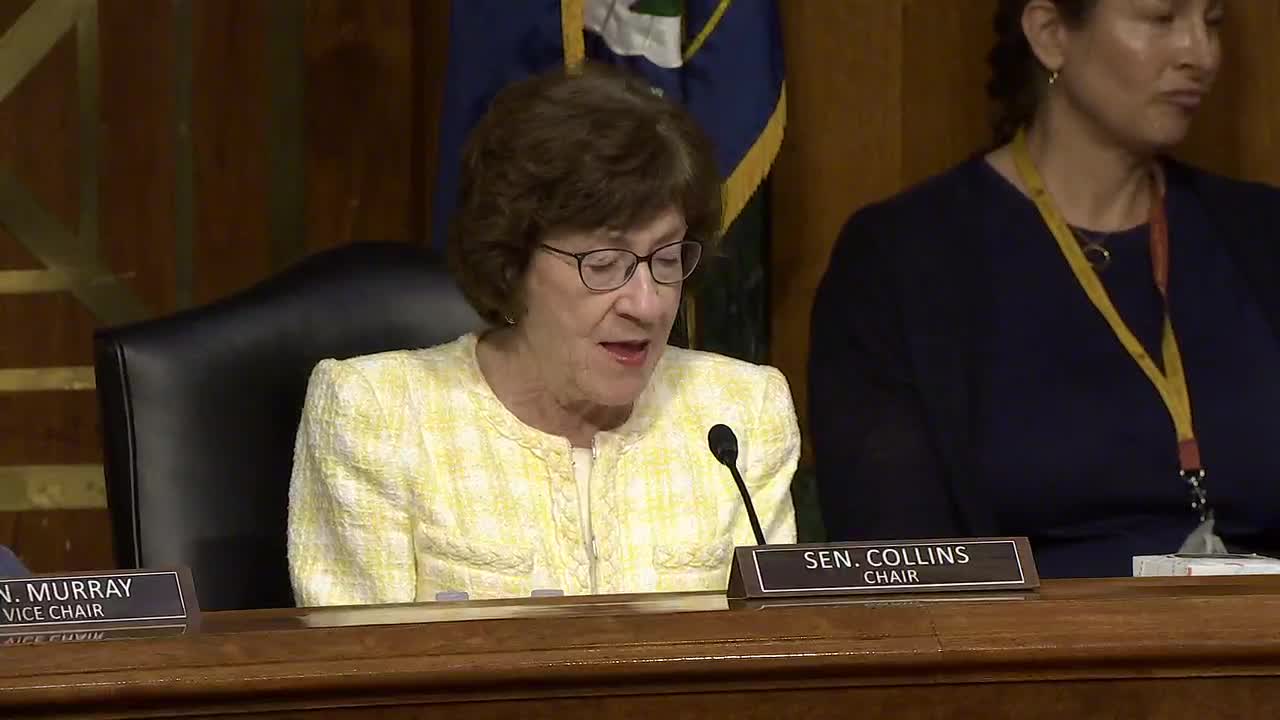
Chair Susan Collins asked whether the proposed $500 million reduction to global health programs would affect specific activities such as vaccines funded through Gavi, the Vaccine Alliance; Collins said the June 3 message did not specify which subprograms would bear reductions. Collins also pressed whether the PEPFAR cut would reduce maternal and child health programs, nutrition supplements and other interventions used at clinics and refugee operations.
Vought replied that the administration sought to protect direct, life‑saving treatment and essential supplies, and that the rescission was aimed at prevention and programmatic items the administration described as “liberal NGOs doing activities that the American people wouldn't support.” He said $10 billion would remain for PEPFAR even if the rescission passed and that unobligated balances in affected accounts are substantial.
Other senators disputed the administration's characterization. Senator Chris Murphy and others cited field reports and nongovernmental trackers they said show programs and commodities — including therapeutic ready‑to‑use foods used to treat severe malnutrition — were already being delayed or held up, with potential life‑and‑death consequences in some locations. Murphy said some field shipments were in warehouses and at risk of expiring while awaiting federal funds.
Why it matters: PEPFAR and other global‑health programs have bipartisan backing and are credited with large public‑health gains overseas. Senators said vague account‑level rescissions make it impossible to determine whether treatment, prevention or other critical services would be affected.
Provenance: First related transcript excerpt: discussion of PEPFAR history and proposed $400,000,000 rescission (transcript block starting at 1318.635).
Last related transcript excerpt: Director Vought confirming $500,000,000 proposed for family planning and $400,000,000 for PEPFAR (transcript block starting at 6451.535).