Get Full Government Meeting Transcripts, Videos, & Alerts Forever!
Get email alerts on the Lgbtq Services And Advocacy topic
No spam. Unsubscribe anytime.
Spectrum Center describes gender-affirming services, rapid-response advocacy in Spokane Equity Spotlight
Summary
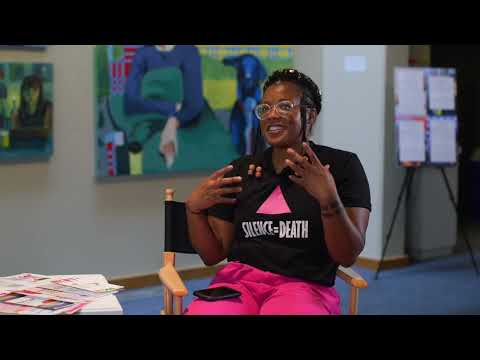
In a Spokane City Council Equity Spotlight segment, KJ January of Spectrum Center detailed programs including a no-barrier gender-affirming products program, a Black Queer Healing Space, weekly food pantry, quarterly clothing swaps, and a rapid-response team that connects regionally with groups such as Inland Oasis in Moscow, Idaho.
KJ January, a representative of Spectrum Center, described a range of direct services and advocacy efforts the Spokane nonprofit provides to LGBTQIA+ and BIPOC community members, including a no-barrier gender-affirming products program, a Black Queer Healing Space and a rapid-response team that has begun coordinating with regional partners.
"The gender affirming products program ... is literally saving lives," January said during an Equity Spotlight segment produced by the Spokane City Council. January said the program provides items and services requested by clients — from binders and clothing to help with legal name changes — without imposing typical eligibility barriers.
January described a recent case in which a person who walked into Spectrum Center’s new Monroe office hours was referred for a district court name change the same week, enrolled in Medicaid and connected to housing resources. The center’s office hours are Monday through Thursday, 1 p.m. to 5 p.m., January said. The organization also operates a food pantry every Tuesday and quarterly clothing swaps, she said.
Spectrum Center hosts a Black Queer Healing Space to discuss the systemic dynamics of being Black and queer in Spokane, and a gender doula program that offers support such as voice training and shopping assistance. January said the group also runs community events intended to center joy, including a recurring "splash bash" for gender-nonconforming and transgender people and seasonal movie and winter "Queers and Coco" gatherings.
The nonprofit has formed a rapid-response team to mobilize community members when local, state or federal policy actions affect queer people, and to provide on-the-ground support such as rallies or testimony at public meetings. January said the team responds to concerns ranging from school-board actions to housing and health-care discrimination and has begun coordinating with rural and regional groups such as Inland Oasis in Moscow, Idaho, to expand supports beyond Spokane.
January framed the center’s work as explicitly intersectional: "the queer community is a part of every community," she said, adding that programs must address housing instability, health-care access and other structural issues together. She singled out the housing and emergency health-care access problems faced by gender-nonconforming and transgender residents and said many community members avoid care because they fear being misgendered or otherwise mistreated.
Alex Giebelisco, manager of equity and inclusion initiatives at the Spokane City Council, introduced the segment and closed by directing listeners to the council web page for more information on the Equity Spotlight program.
Spectrum Center’s description in the segment did not include specific annual budget totals, staff counts, or detailed funding sources beyond an indication that current programming is limited by available funding. January said the organization intends to expand community programming as resources allow.