Get Full Government Meeting Transcripts, Videos, & Alerts Forever!
Get email alerts on the Redevelopment topic
No spam. Unsubscribe anytime.
City outlines redevelopment focus areas and new urban transformation team work to speed infill and reuse
Summary
City staff presented an update on redevelopment priorities, identifying focus areas — including the full Main Street corridor and downtown‑adjacent districts — and described a hands‑on outreach program of feasibility analyses, property owner engagement and a small‑project “concierge” service to help stalled parcels move to development; staff
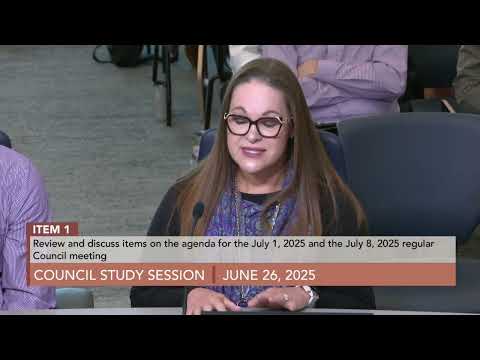
Mesa staff outlined a new, citywide redevelopment push at the June 26 study session, describing geographic focus areas and a hands‑on approach intended to help stalled and underused properties move to productive reuse.
Jeff Robbins and the Office of Urban Transformation told the council the city is shifting from a passive posture to proactive outreach: staff are cataloguing parcels where land value exceeds existing improvements, meeting one‑on‑one with owners and brokers, producing feasibility analyses, and cultivating a pool of potential buyers. The presentation identified a broad set of focus areas, including the entire Main Street corridor (from Mesa’s west edge to its eastern border where city jurisdiction allows), aging arterial shopping centers (for example, segments of Southern Avenue and the Brown & Higley area) and sites near major public investments such as the light‑rail corridor and downtown assets including Mesa Arts Center and the convention center.
Robbins and economic development staff described the office’s “bread and butter” services: feasibility studies for difficult parcels, concierge assistance connecting sellers with buyers and buyers with city technical resources, and continued coordination with other departments (utilities, planning, code compliance). Staff said their outreach has already helped resolve title or parcel anomalies, advance an auction sale into a proposed hotel and convert stalled listings into letters of intent. Angelica Guevara, director of Code Compliance, said preliminary spot surveys in redevelopment target areas found common violations that deter investment (trash, outdoor storage, overgrown lots) and that the department will prioritize voluntary outreach then citations only when necessary.
Council members asked about tools and funding. Staff said Arizona lacks tax‑increment financing (TIF) authority, which many other states use for redevelopment, and that available state incentives are focused on jobs and facilities rather than small infill projects; staff recommended the council authorize further study and bring back a menu of possible tools for Mesa, ranging from code/regulatory fixes and design assistance to small grants or targeted incentives. Council members indicated initial support for staff to continue with outreach and return with funding options and more detailed program recommendations.
Staff proposed performance metrics, including contacts made, feasibility analyses completed, letters of intent generated, and—once projects advance—standard economic indicators such as capital investment, jobs and tax base change. Council asked staff to return with specific program options and budget estimates.