Get Full Government Meeting Transcripts, Videos, & Alerts Forever!
Mesa staff seek to clarify home‑occupation rules to improve enforcement, not to expand limits
Summary
City planning staff told council the zoning refinement for home occupations is a language‑clarification, intended to make enforcement feasible: code compliance told the council they have trouble proving violations when not all criteria were clearly written; the change clarifies that violation of any listed criterion constitutes a violation of the
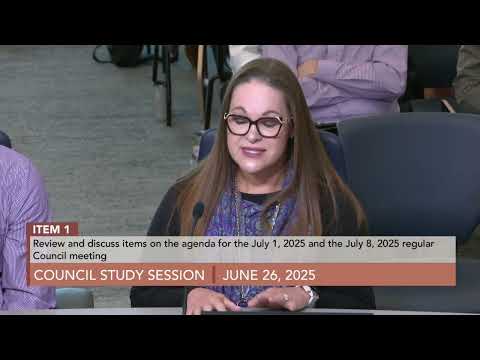
Mesa staff told council on June 26 that proposed revisions to the city’s home‑occupation provisions are clarifications to improve enforceability, not substantive changes to expand or restrict permitted home‑based activities.
Planning staff said the zoning refinement ordinance refines the definition in Chapter 87 and the specific use standards in Chapter 31 so that code enforcement can cite violations when any single criterion is breached. Staff explained that prior ambiguous language led…
Already have an account? Log in
Subscribe to keep reading
Unlock the rest of this article — and every article on Citizen Portal.
- Unlimited articles
- AI-powered breakdowns of topics, speakers, decisions, and budgets
- Instant alerts when your location has a new meeting
- Follow topics and more locations
- 1,000 AI Insights / month, plus AI Chat