Get Full Government Meeting Transcripts, Videos, & Alerts Forever!
Get email alerts on the School Climate Survey topic
No spam. Unsubscribe anytime.
District climate survey shows strengths in staff collaboration, flags bullying and workload as focus areas
Summary
The Port Washington district—s ThoughtExchange climate survey, presented June 17, found favorable responses about staff collaboration and extracurriculars but flagged bullying, homework load and resource shortages as recurring concerns. Administrators said principals will engage building communities on next steps.
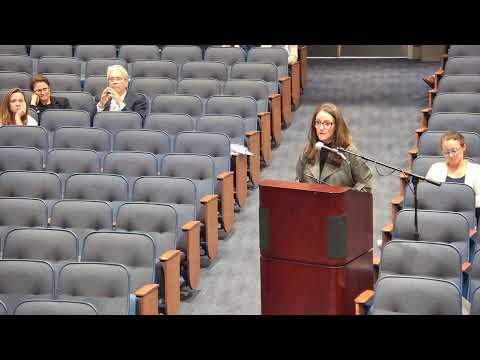
The Port Washington administration presented results from the district—s fourth climate survey (administered via ThoughtExchange) at the Board of Education meeting on June 17, reporting mixed results: positive marks for staff collaboration and extracurriculars were offset by recurring concerns about bullying, homework burden and resource shortfalls.
Superintendent-level staff said the survey combined multiple-choice scales with open-ended questions and that building principals will receive detailed, building-level results to guide local follow-up. Dr. Sean Feeney, who presented the report, said the platform—s analysis tools helped identify themes in thousands of open-ended responses.
Key findings presented by Dr. Feeney included: - Positive feedback on teacher-student relationships and staff collaboration; many students and families praised clubs, events and teacher support. - Repeated concerns about bullying and social tensions among students, and reports that discipline rules and enforcement sometimes feel inconsistent to families and students. - Wide variation in homework load, particularly in grades 6—2, with multiple respondents reporting multiple hours nightly; families said unclear instructions made home support difficult. - Resource and staffing shortages cited by teachers, including needs for specialists, paraprofessionals and technology updates. - Facility concerns surfaced in open comments (bathrooms and cafeteria space).
Dr. Feeney summarized the administration—s view this way: "We can't be afraid to look at areas where we need to grow." He said principals will use the full dataset and follow-up exchanges to build targeted action plans and that another administrator session with ThoughtExchange is scheduled in July for deeper analysis.
Trustees asked for disaggregated data. Trustee Deborah Brooks asked whether the district could isolate response rates and concerns by building so administrators know where to prioritize resources; Feeney said the system can link responses to specific buildings (while preserving respondent anonymity) and that building-level analyses would be shared with principals and the board. Board members also discussed whether the state assessments and other school screeners align with the survey findings for subgroup performance.
What happens next: Building principals will review detailed reports, follow up with staff and parent groups, and return with action plans. The administration said it will present additional analysis to the board after July sessions with ThoughtExchange.