
Commission postpones new C‑3 zone and value‑added agriculture rules after detailed policy debate
Get AI-powered insights, summaries, and transcripts
Subscribe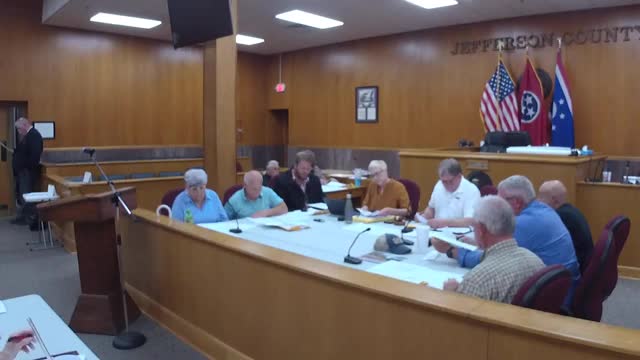
Summary
Commissioners and staff debated a proposed new C‑3 (wholesale/warehouse/commercial) zoning district and whether to permit value‑added agricultural processing; members asked for clearer definitions and for legal and practical limits before proceeding, and postponed the item for further work.
The regional planning commission and zoning staff engaged in an extended policy discussion over a proposed C‑3 wholesale/warehouse commercial district and language to allow "value‑added" agricultural processing.
Austin Brooks presented a draft that would create a new zoning district aimed at providing a middle ground between agricultural and industrial uses — a potential home for small manufacturing, light industrial and certain farm processing operations. The draft included a conditional‑use pathway for activities such as micro‑distilleries, microbreweries, and limited on‑site processing and sales of farm produce, with suggested safeguards: minimum farm size, limits on off‑site produce (no more than 50% originating off‑site), and requirements for public water/sewer and nuisance screening.
Commissioners and members of the public said the proposal raised difficult definitional and policy questions. Several speakers stressed the need to distinguish small farm value‑added activities (for example, on‑farm canning or a farm winery) from full‑scale industrial processing that would carry heavy traffic, odor, and noise impacts. As one commissioner summarized, “What is considered a craft, what is considered industrial production?”
John Veil and other commissioners asked staff to prepare a clearer definition of "value‑added agricultural processing" and to identify thresholds that would distinguish permitted small‑scale farm operations from operations that should belong in an industrial district. Commissioners discussed options including placing value‑added processing in the A‑1 agricultural district under strict conditions or listing it as a permitted use in C‑3 but with size and sourcing limits.
After extended discussion, the commission voted to postpone the resolution and asked staff to return with clarified definitions, comparisons to state guidance, and recommended conditions that would protect farmland while allowing viable small processing businesses.
The debate reflected competing goals: supporting farm profitability and local small business without enabling industrial uses in rural or residential areas. Commissioners asked staff to gather examples from other counties, provide draft regulatory language, and identify which utilities or infrastructure requirements (for example, public sewer) would be necessary to protect public health and neighboring properties.