
Coffee County BZA grants special exemption for three duplexes on Old Seminary Road despite widespread neighbor opposition
Get AI-powered insights, summaries, and transcripts
Subscribe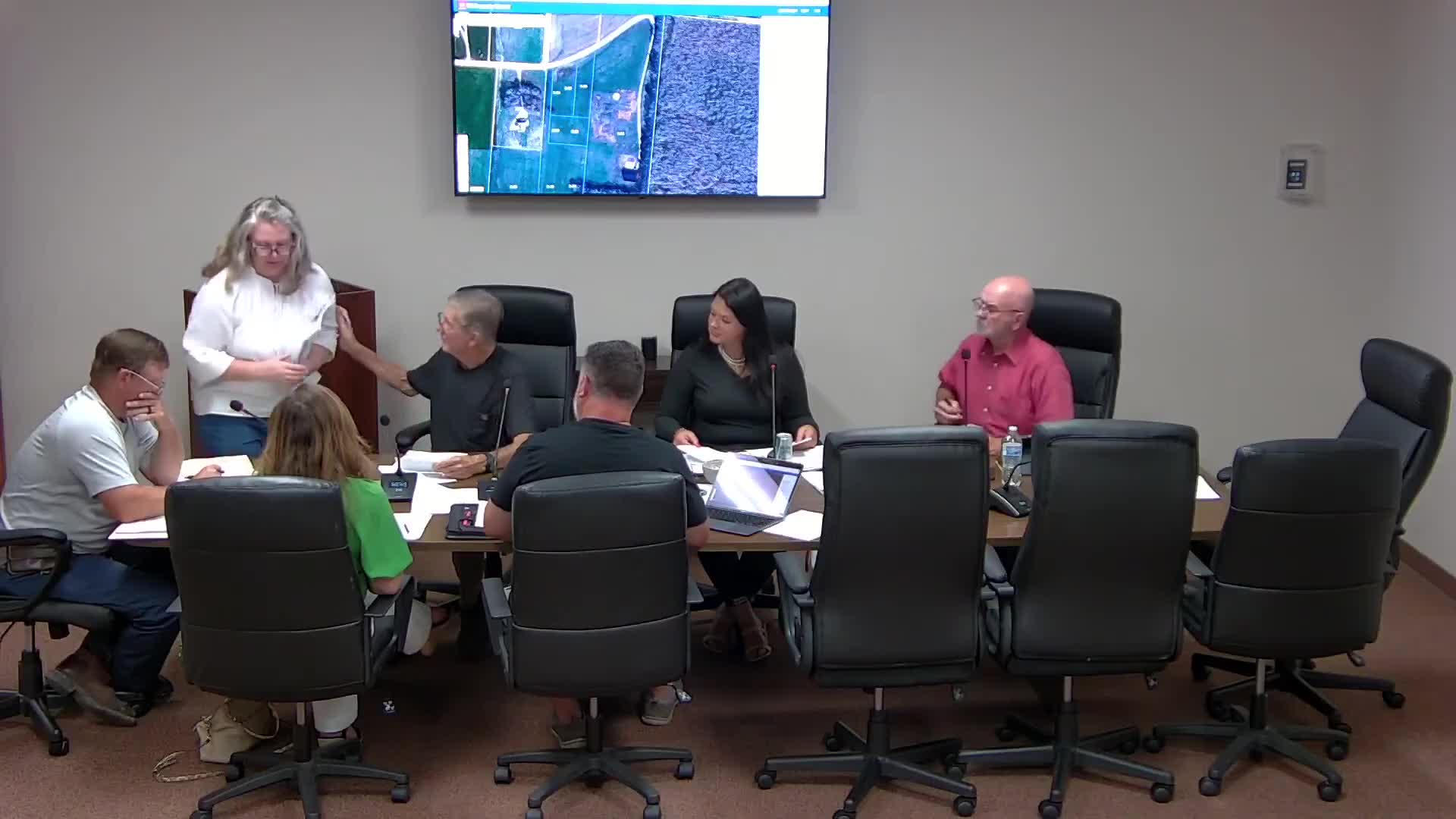
Summary
After extensive public comment and disputes over permits and road adequacy, the Board of Zoning Appeals approved a special exemption allowing three duplexes to remain on Old Seminary Road by a 4‑1 vote.
The Board of Zoning Appeals of Coffee County voted 4‑1 June 26 to grant a special exemption permitting three duplex structures to remain and be used where they were sited on Old Seminary Road, a narrow rural county road, after an extended public hearing with numerous residents objecting to traffic, infrastructure capacity and deed restrictions.
Neighbors characterized the site as a low‑density rural residential area and said the duplexes were moved onto the property before the special exemption was decided. They raised concerns about road width, emergency access and water‑line capacity, and some residents cited deed restrictions imposed at the time the land was subdivided.
Sharla Graves, a nearby resident, said the structures were unannounced and moved onto Swan property in May and June and that code enforcement told her the applicant had a building permit; she said that was inconsistent with a prior BZA decision and with neighborhood expectations. “It took approximately 2 hours for each 1 of these to get down our road,” Graves said, describing the transport of the units and the disruption to the single‑lane stretch.
Several residents warned that the three duplexes would set a precedent for higher‑density rental development on rural county roads. Aaron Carmine, who lives on Old Seminary Road, told the board: “Please do not allow our beautiful county land and roads turn into congested rental complexes.” Other speakers cited reduced property values, inadequate road maintenance and the fact that two of the duplex foundations were already poured.
Applicants and supporters said the units were intended as well‑maintained rental housing and presented a subdivision plat showing three separate parcels totaling about 4.31 acres for the sites in question. Cheryl Swan, speaking for the family, said permits and plats had been worked through county staff and planning, and that the structures would be maintained with lease terms prohibiting junk vehicles and other typical nuisances. She said the units were 24 by 72 manufactured homes that, in appearance, would read like single family houses when clad and finished.
During the hearing, a procedural technicality was discussed: an earlier application had been filed with a single parcel number, which panel members and some residents said complicated the prior BZA review. County staff and other speakers noted that the applicant later subdivided and obtained separate permits tied to each new parcel, a point cited by those supporting approval.
Board members discussed emergency access, road width and whether approving the exemption would conflict with deed restrictions; staff said deed restrictions are a civil matter outside the board’s jurisdiction, while zoning compliance is within it. The board also heard that the water line feeding Old Seminary Road is understood to be 4 inches and that county rules for larger, higher‑density subdivisions require larger water mains; staff said those standards apply at the major‑subdivision threshold and that the three units did not themselves trigger a major subdivision review under current thresholds.
After deliberation, a motion to approve the special exemption passed on a 4‑1 voice vote. The board’s approval allows the property owners to proceed with county permitting for the individual parcels as configured; the board emphasized that codes, septic and building inspections remain enforceable and that civil deed‑restriction disputes are for private parties and courts.
Residents said they would monitor the site and consider legal options if they believed deed restrictions or other civil constraints applied. The vote reflects a legal distinction the board must apply between zoning authority and private deed restrictions, and it underscores continuing tensions between families seeking rental income and neighbors seeking to preserve rural, low‑density character.