Get Full Government Meeting Transcripts, Videos, & Alerts Forever!
Get email alerts on the Housing Infrastructure Study topic
No spam. Unsubscribe anytime.
Planning staff outlines phased housing and infrastructure code changes, seeks public engagement
Summary
Metro planning staff presented a multi‑phase package of recommended zoning and building‑code changes intended to expand middle‑housing options, improve design clarity and add an attainable‑housing bonus; staff and commissioners framed the work as a multi‑year process with public engagement this summer and implementation steps through 2028.
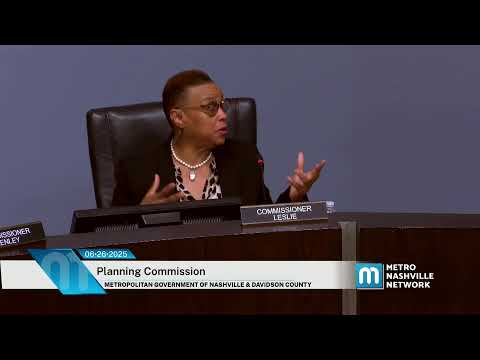
Metro Planning Department staff presented the Housing and Infrastructure Study recommendations on June 26, saying the package would be implemented in phases and come back to the Planning Commission and Metro Council for formal action.
The memo outlines three implementation phases: (1) targeted building‑code changes and creation of two new zoning districts to allow middle housing types and an attainable‑housing bonus; (2) improvements to commercial and multifamily district standards; and (3) additional clarifications and design‑quality changes for one‑ and two‑family districts. Katie Kameeses, project manager for the study, said the recommendations are intended to “improve the function and clarity of the zoning code” and to add “zoning options specifically scaled for middle housing.”
The memo frames the recommendations around three goals: abundant housing, necessary infrastructure, and distinctive communities. Staff described an implementation timeline that includes a presentation to the joint Transportation and Planning & Zoning committee on July 8, public engagement on draft standards in late July, an infrastructure‑assessment summary in fall 2025 and a two‑year monitoring phase beginning in 2028 to assess how new tools perform.
Staff emphasized that the recommendations are draft text changes and that any specific zoning or text amendments will be presented separately for formal commission review. Director Lucy Kemp thanked the team and noted that text amendments would follow the regular approval process.
Commissioners asked clarifying questions about specific recommendations, including proposed rules for detached accessory dwelling units (DADUs). Kameeses said DADUs remain owner‑occupied under current code and the study is not recommending an immediate change to allow separate ownership of DADUs. Commissioners were urged to provide informal feedback before the formal amendment packets are filed.
Why it matters: Staff and commissioners said the package is intended to create more housing choices, reduce confusing or unpredictable development outcomes, and align zoning with Nashville Next and the city’s transportation plans. Public engagement and committee review are scheduled this summer; the commission will have further formal opportunities to review specific code changes.