Get Full Government Meeting Transcripts, Videos, & Alerts Forever!
Get email alerts on the Transit topic
No spam. Unsubscribe anytime.
Council hears DTA transit operations analysis proposing route tweaks, added fleet to cut missed connections
Summary
City staff and regional partners briefed the council on a Duluth Transit Authority operations analysis that recommends targeted route adjustments, fewer stops and possible addition of a bus to reduce missed connections and improve run times; implementation would carry operating costs and require public vetting.
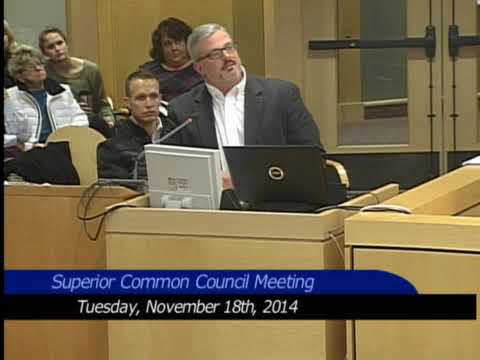
City planning staff presented findings from a Duluth Transit Authority (DTA) Transit Operations Analysis prepared with regional partners and SRF consulting, outlining options to improve on‑time performance and rebuild falling ridership.
Why it matters: Ridership in Superior has fallen from roughly 172,500 to about 136,000 trips over the last five years; staff said missed connections downtown and long route run times are the major causes. The council received draft recommendations that would reduce round‑trip mileage, eliminate some low‑use stops, and add fleet resources to shorten run times and improve reliability.
Planning Director Jason Cirk told the council the city’s share of a roughly $70,000 study is about $5,000, with the Midwest Inter‑City Council (MIC) and other partners funding the balance and SRF providing the analysis. Cirk summarized major findings: two core routes have run times of about an hour; downtown transfer points are missing connections by minutes; and peak ridership patterns differ from typical systems, with a midday peak that the current schedule does not serve well.
The consultant’s core recommendations presented to the council included eliminating some low‑demand stops, shortening or rerouting parts of long legs to remove 3–4 minutes from run times, and adding an additional bus to the fleet if funding permits. Staff said adding a bus carries a rough annual operating cost of about $195,000 (note: figure presented as operating‑resource estimate by consultant) and that adding one hour of daily service on either end of a route would cost roughly $30,000 annually for hourly driver and operating costs. Staff also noted the city currently covers about $550,000 annually from the general fund toward transit operations, and that farebox recovery in Superior is about 9 percent of operating costs.
Staff emphasized public outreach before changes are finalized: the MIC board will review recommendations and the city plans an open house early next year to get community feedback on tradeoffs such as stop consolidation and route variations. Councilors asked about cost sharing for any additional fleet and were told operating cost shares would be worked out with partners; staff noted the cost share for additional service would not be entirely the city’s responsibility.
No formal council action was taken; staff will return with a public engagement plan and refined recommendations after partner review.