Get Full Government Meeting Transcripts, Videos, & Alerts Forever!
Get email alerts on the Solid Waste Landfill topic
No spam. Unsubscribe anytime.
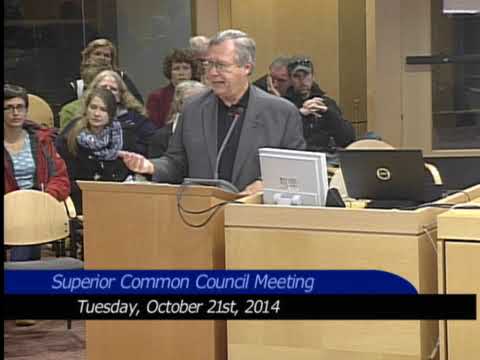
Superior council approves $3.50 monthly recycling fee after months-long landfill shortfall debate
Summary
After extended public comment and council debate about an operating shortfall at the city landfill, the Common Council passed a $3.50 monthly residential recycling fee and approved the 2015 landfill budget.
The City of Superior Common Council voted to impose a monthly residential recycling fee of $3.50 beginning Nov. 1, 2014, and approved the 2015 landfill budget after an extended public discussion of landfill costs and state regulatory fees.
The item drew sustained public comment and more than an hour of council debate about long-term landfill costs and shrinking tipping revenues. Mayor (unnamed) and councilors described rising state fees, large capital costs to build new cells and a growing general-fund subsidy covering landfill operations.
Councilors and staff said the landfill’s finances have deteriorated because of higher regulatory and construction costs and declining tonnage. The council heard specific figures from staff and the mayor: a new engineered cell can cost roughly $8 million to construct, covering an existing full cell can cost about $2.5 million, and state Department of Natural Resources (DNR) fees now total about $13 per ton. The council was told the city paid about $1.7 million to the state last year in DNR tipping fees. The proposed 2015 landfill budget is roughly $6.0–6.3 million; councilors said the landfill is being subsidized from the general fund by about $1,000,000 and that revenue trends make that subsidy likely to grow.
Finance Director Vito presented the need for an operating revenue stream distinct from the general fund. Assistant Finance Director Bronson introduced the landfill budget and put the budget motion before the council; the motion passed by voice vote.
Public commenters voiced mixed views. Resident Mick McKenzie urged enforcement of mandatory recycling rules and suggested alternate collection schedules; resident John Manion and others said neighbors near the proposed dog-park site wanted more notice about that project. Resident Lynn Halter volunteered to help maintain a dog park if established. Several residents and Councilor Esther Dalbeck warned about the fee’s burden on fixed-income residents.
Council discussion focused on limited remedies: cutting municipal services, finding new revenue sources, or charging a user fee. Some councilors proposed a smaller initial fee; others argued immediate action was required so the city could collect a fee before potential state legislation limited local fee authority. Councilor Finsland emphasized moving forward and said the fee could be rescinded if a different solution were found later. The council ultimately adopted the ordinance implementing the $3.50 monthly recycling fee by roll call vote (7–3).
The council also approved the 2015 landfill budget in a separate motion. Staff said an RFP to explore sale or lease options for the landfill is in development and should be ready in about three months. Councilors said the city will continue seeking operational changes, increased recycling compliance and other long-term solutions.
Clarifying details included in council discussion: the landfill footprint cited by staff (approximately 40 acres), an estimated $8,000,000 cell construction cost, about $2.5 million to cover a full cell, state DNR fees of roughly $13 per ton (totaling about $1.7 million paid last year), and a 2015 landfill budget estimate of about $6.0–6.3 million. Staff said curbside collection costs (collection and trucks) are about $600,000 per year and have not increased since 1999; the larger expense drivers are landfill capital and regulatory costs. Councilors also noted the city’s levy-limit constraints and the cumulative effect of state legislation they said has imposed or shifted costs to municipalities.
The council directed staff to continue work on long-range options (including an RFP to test the market for sale/lease), and to return updates as work proceeds. Public-comment requests and neighbor concerns raised during the landfill discussion will be forwarded to the appropriate departments for follow-up.