Lifetime Citizen Portal Access — AI Briefings, Alerts & Unlimited Follows
Michigan committee hears testimony on bills to expand penalties for gift‑card fraud
Loading...
Summary
Sponsors of House Bills 4598 and 4599 told the House Regulatory Reform Committee that organized rings are tampering with and draining prepaid gift cards; retailers and the attorney generals office signaled support, and witnesses urged education and retailer security measures. No final vote was taken on the bills at the hearing.
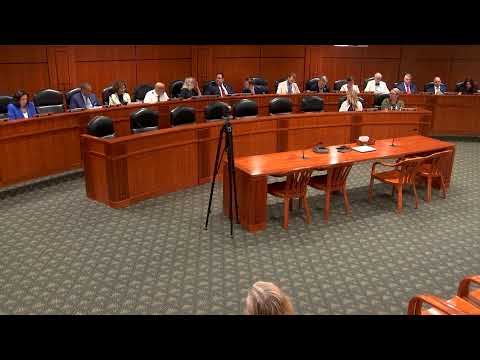
Lansing — Sponsors of House Bills 4598 and 4599 told the Michigan House Regulatory Reform Committee that organized criminal rings are stealing, tampering with and draining prepaid gift cards and that the bills would broaden penalties under the states Organized Retail Crime law.
"Criminals are stealing large quantities of inactive gift cards from stores, and they fraudulently obtain activation information such as card numbers, PIN numbers, and then place the tampered cards back on the store shelf for an innocent consumer to purchase," Representative Harris said during testimony, describing how victims later find their cards drained.
The bills would amend the Organized Retail Crime Act to add knowingly acquiring possession of a gift card or gift‑card redemption information, altering or tampering with a gift card or gift‑card redemption information, and obtaining money or goods with such information as covered offenses when done with intent to defraud. Representative Steckloff, a co‑sponsor, said the changes are intended to give prosecutors clearer statutes to pursue organized fraud rings.
"By passing House Bills 4598 and 4599, we will without question be making Michigan better and safer, and we'll ensure stronger protections for Michigan consumers, especially our seniors and families who are disproportionately targeted," Steckloff told the committee.
Witnesses from the retail sector and industry groups urged support. Drew Beardsley of the Michigan Retailers Association told the committee that retailers have increased security and education but that fraudsters adapt as technology changes. "We need clear and decisive language to address gift card fraud, and we believe these bills do just that," Beardsley said.
Committee members asked about prevention and restitution. Representative Wozniak asked whether anything can be done on the "front end" to stop tampering; Harris said education for both consumers and retailers is key and suggested that shoppers inspect cards for signs of tampering and register cards promptly. Representative Regas asked whether purchasers who unexpectedly find a card already used can recover funds; Harris said, "My belief is currently you're out of luck," and said the legislation would allow for restitution.
Testimony cited national figures and federal efforts. Steckloff noted Federal Trade Commission data that "Americans lost $217,000,000 to gift card scams in just 2023 alone. And by mid 2024, an additional 100,000,000 had already been reported." Harris also referenced the Department of Homeland Securitys Project Red Hook, saying it had led to "the arrest of over 150 fraudsters engaged in gift card tampering since its launch in January of '24."
The committee record includes letters of support from industry and enforcement: the Gift Card Fraud Prevention Alliance, the International Council of Shopping Centers, Home Depot, Walgreens, Meijer, the Michigan Attorney General's office (Ashley Stephan), and the Automotive Recyclers of Michigan were all listed in support. Several representatives of those organizations did not take the podium but had their positions read into the record by the clerk.
No motion to report either bill to the House floor was recorded during the testimony segment; the chair said the committee would wait for additional members before voting, and the sponsors indicated a plan to bring the bills back for a vote when quorum allowed. The clerk read the written support into the record before the committee moved on to other business.
Proponents emphasized that the bills target organized rings rather than isolated consumers. Steckloff said the aim is to give prosecutors clearer statutes "to choose organized fraud rings," and Harris added that the legislation is meant for "those large rings, not just for an individual." The committee did not take final action on the bills at this session.
Less critical details recorded in the hearing included retailer practices such as rearranging displays, enhanced video surveillance, and customer education; witnesses said practices varied store to store and by retailer size, and that customer reporting to the store or law enforcement affects how incidents are handled.
The committee will reconvene later to consider votes on bills taken up at this and prior hearings, including the gift‑card proposals.