Get Full Government Meeting Transcripts, Videos, & Alerts Forever!
Get email alerts on the Corrections And Care Campus topic
No spam. Unsubscribe anytime.
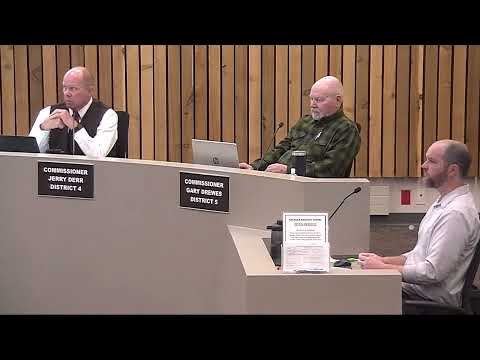
Sheriff outlines jail and care‑campus costs, says local detained population and medical needs pushing budgets up
Summary
Sheriff Brian Duffy told commissioners that local jail and care‑campus costs are rising because of higher‑need detainees, longer hospital stays, and steady local detained populations; he proposed staffing and contract options and asked commissioners to consider opioid settlement funds and intergovernmental contract changes to reduce county costs.
Sheriff Brian Duffy presented the corrections and care‑campus components of the 2026 budget and described several drivers of rising costs: an increase in locally detained inmates with higher medical and behavioral health needs, longer hospital stays for medically complex detainees, and continued federal detainees’ absence or reduction. Duffy said those factors have increased medical, transport and outside‑hospital expenses for the county’s detention operations.
Duffy described changes to the county’s care campus model launched to provide short‑term housing, detox and crisis stabilization services. He said the county reduced “safe‑bed” capacity and increased detox capacity after staff and commissioners observed people repeatedly using safe beds and then returning to street behavior the same day. Duffy argued the change improved outcomes for people choosing treatment while also reducing daily churn.
Duffy also discussed Ignite, the jail‑to‑work program, which the County and city operate jointly. He said early data suggest Ignite participants are less likely to reoffend, but program participation remains below targeted levels; if participation remains low the sheriff proposed operating Ignite from existing jail housing rather than staffing a separate site, which would cut costs but require a contract and operational adjustments.
On funding, Duffy said Pennington County must continue to review how to use opioid‑settlement dollars and Rapid City agreements to offset care‑campus expenses. He asked for an executive‑session follow‑up with city and state partners to explore contract changes that could cut county costs for detox and stabilization services while protecting service availability.
Ending — next steps: The sheriff will provide updated budget numbers once county staff confirm opioid‑dollars accounting; commissioners requested an executive‑session briefing (city, county and care‑campus partners) to review contract alternatives for lower county net costs.