Get Full Government Meeting Transcripts, Videos, & Alerts Forever!
Get email alerts on the Road Maintenance topic
No spam. Unsubscribe anytime.
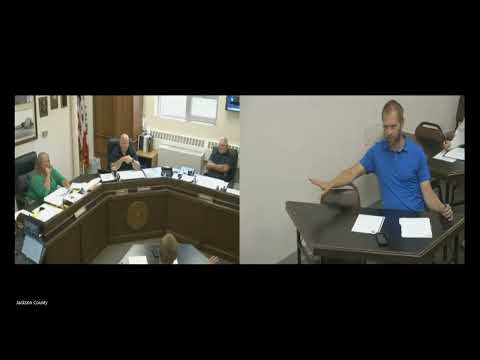
Jackson County supervisors discuss road reclamation, crew scheduling and slope concerns after reclamation work
Summary
County road staff described how reclaimed gravel roads require different maintenance; supervisors raised concerns about post-reclamation blading intervals, steep slope corrections (Dark Hollow Road), and contractor/customer expectations.
Jackson County public-works and engineer staff briefed the Board of Supervisors on road reclamation operations, including trade-offs in post-reclamation maintenance, crew scheduling, and how steep slopes are being monitored and corrected.
Jaden Shekel of the county engineer’s office explained the county currently runs two crews: one working toward the Bernard/Swingle area and another west of Maquoketa toward the Nashville airport area. Shekel said reclaimed roads generally require less rock but longer intervals between regular blading when crews are allocated to reclamation projects. That allocation, staff said, has led to some resident complaints prompting spot blading where needed.
Supervisors pressed staff on how soon a reclaimed road should be re-profiled to meet acceptable crown and slope. Shekel said one recurring example is Dark Hollow Road, which showed steeper-than-desired slopes following reclamation. County staff said they plan to document slope measurements with GPS and to address excessively steep sections during routine blading cycles or in targeted repairs. Shekel told the board, “we have noticed from year one, there is one road in particular that has had a pretty harsh slope…we'll just take care of it as we do routine bladings.”
The board discussed the early post-reclamation period when roads may appear worse before settling. Shekel said initial compaction cannot reach its long-term density immediately and that the first month after reclamation is typically rougher before moisture, traffic and subsequent blading settle the surface.
Supervisors and staff also discussed customer perceptions—some residents expect rock to be placed as before, while reclamation is intended to reduce long-term rock needs. Staff said GPS documentation of crown and slope helps answer conflicting resident reports about whether a road meets the county’s 4–6% crown standard. The county will use GPS shots and complaints to prioritize follow-up work.
The board did not take separate formal action on these operational matters during the meeting but directed staff to continue documenting problem areas and to respond to resident complaints as crews permit.