Get Full Government Meeting Transcripts, Videos, & Alerts Forever!
Get email alerts on the Health Insurance Pharmacy Costs topic
No spam. Unsubscribe anytime.
City self-funded health plan posts small surplus as pharmacy costs climb on GLP-1 drugs
Summary
The Clearwater Benefits Committee reviewed 2024 claims and early 2025 data and was warned that rising pharmacy spending — largely from GLP‑1 drugs and other specialty medicines — could increase future plan costs despite a modest 2024 surplus.
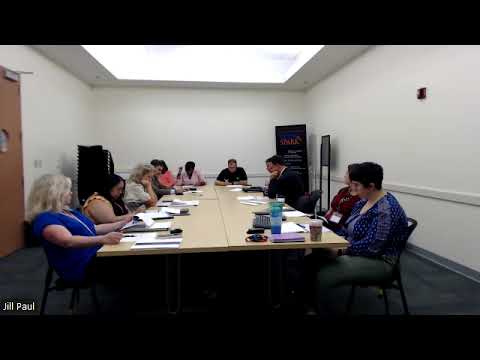
The Clearwater Benefits Committee reviewed 2024 claims results and early 2025 data at its April 7 meeting, hearing from Cigna-report summaries presented by Sean, a consultant with The Gary Group. The committee was told the city’s self-funded medical plan finished 2024 with a surplus of about $686,000 on roughly $23.6 million in plan funding, but faces rising pharmacy costs driven largely by new GLP‑1 drugs and specialty medicines.
Why it matters: the city is self‑insured for health benefits, meaning the city pays claims and budgets reserves rather than buying a fully insured product. A sustained jump in pharmacy spending could raise future premiums or draw on reserves the state requires plans to keep.
Sean told the committee that “the city pays the cost of all the expenses ... the city ultimately is on the hook for that,” explaining the self‑funding model and how Cigna administers claims and pharmacy services. He said the plan’s 2024 per‑employee medical claim trend was modest (about a 2.7% increase year‑over‑year), but pharmacy spending rose roughly 20% in 2024 and showed an additional 12.3% increase in early 2025 data, producing an overall plan trend of about 8.5% in the most recent year.
Committee members were shown specific drivers behind the pharmacy increase. Sean said a single GLP‑1 drug (Mounjaro) accounted for about $1.7 million in plan spend in the most recent year, and that GLP‑1s collectively represented roughly $2 million of new pharmacy spending over two years. Specialty biologic drugs for conditions such as psoriasis (for example, Stelara) and rheumatoid arthritis also contributed large costs; Sean noted three members on Stelara generated nearly $486,000 in claims. He described brand‑name specialty scripts that can cost thousands or tens of thousands per script and pointed to specialty pharmacy and certain cancer drugs as additional cost centers.
The committee reviewed utilization and quality metrics presented by Cigna. Medication adherence rates for chronic conditions were above Cigna norms in several categories (hypertension medication adherence 81% vs. 77% norm; diabetes 88%). The plan’s generic‑drug utilization rate was 91% (Cigna norm 92.9%), which Sean attributed in part to the city health center’s dispensing of generics. Preventive screening rates were mixed: breast‑cancer screening 73% (Cigna norm 68%), cervical screening 58% (61 norm) and colorectal screening 42% (46 norm).
Members questioned whether GLP‑1 prescriptions were being written for diabetes or primarily for weight loss. A committee member asked, “Are all those members diagnosed diabetic, or are the doctors prescribing it for weight loss and then Cigna’s paying the exorbitant amount of money for those medications?” Sean replied that Cigna requires a diabetes diagnosis and an A1C test to approve the drug on the plan, but that screening thresholds vary across providers and that some prescriptions may be approved with minimal documentation. He said Cigna has built and can tighten prior‑authorization and clinical‑screening controls for the renewal period, but tighter controls are not typically implemented mid‑year.
Committee materials also explained risk‑management features of the plan: a stop‑loss layer that limits the city’s exposure on very large individual claims (example discussed: an attachment at about $300,000), and an annual pharmacy rebate the plan receives from manufacturers. The presentation said the plan received about $1.8 million in pharmacy rebates for an earlier reporting year; staff noted the most recent rebate amount rose by about $800,000 to roughly $2.6 million in the year just received, a timing factor that can produce artificial surpluses in early reporting.
Other points the committee discussed included emergency‑room utilization (Cigna identified a 28% increase in visits classed as potentially steerable to urgent care), a small number of very large claimants (16 members with claims above $125,000 drove about 15% of plan spend), and the clinic/health center’s role in moderating medical inflation. Sean recommended presenting stricter pharmacy screening and prior‑authorization controls for the renewal cycle and said the committee would review renewal options in subsequent meetings; the committee scheduled further meetings ahead of the July renewal decision window.
The meeting produced no formal votes or changes to plan design during the session. Staff said surplus funds remain in the city’s health fund and that state rules require a minimum reserve for self‑funded plans; surplus dollars remain in city accounts and are used to meet those reserve requirements or to offset future costs.
Looking ahead, the committee intends to evaluate Cigna’s proposed renewal controls, pharmacy management options and changes to prior authorization at upcoming meetings before the July decision point.