Get Full Government Meeting Transcripts, Videos, & Alerts Forever!
Get email alerts on the Cannabis Regulation topic
No spam. Unsubscribe anytime.
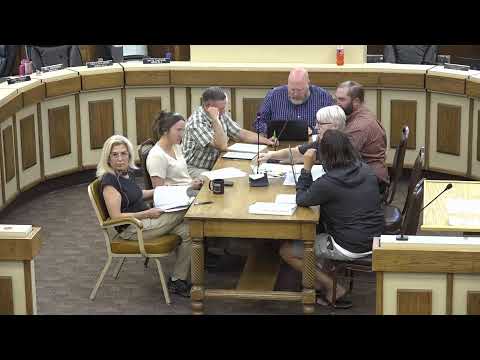
County attorney presents draft cannabis ordinance; committee holds item for public review
Summary
Butte-Silver Bow County Attorney Matt Anruth presented a draft ordinance to impose additional local regulations on marijuana businesses including proposed distance limits, grandfathering rules and a proposed cap; the committee held the draft in abeyance for public input and further revision.
Butte-Silver Bow County Attorney Matt Anruth on June 25 presented an initial draft ordinance proposing local regulations for the sale and distribution of medical and recreational cannabis, and the judiciary committee voted to hold the item in abeyance to solicit public input and coordinate with forthcoming zoning rules.
Anruth said the draft is intended to “impose additional regulations concerning the sale or transaction of cannabis products” in Butte-Silver Bow and that he and the deputy county attorney will align definitions with the state’s Marijuana Regulation and Taxation Act. He told the committee the draft will avoid repeating zoning detail that Director Crane is preparing and instead cross-reference zoning distances where appropriate.
Key provisions discussed in the draft include a proposed 1,500-foot separation for new cannabis shops from schools, places of worship and day-care facilities; grandfathering of businesses licensed before the ordinance’s effective date so long as they remain licensed; loss of grandfathering if a business transfers ownership or restructures; a proposed cap (the draft suggested 15 shops, described by Anruth as an initial, arbitrary number); and the possibility of shortening operating hours below the state-allowed 9 a.m. to 8 p.m.
Anruth noted a discrepancy in current state administrative rules that measure 600 feet only when two locations are on the same street, a technicality the county draft seeks to address in coordination with zoning reform. “We are going to fix that major part of it in the zoning laws and in here,” he said.
Commissioner Dan Callahan asked how many licensed cannabis businesses currently operate in the county; Anruth said he would email commissioners the exact number but estimated “about 12 to 15 right now.” Commissioner Bill Anderson asked for comparable counts on liquor licenses and bars; Anruth agreed to provide that information as well. The committee voted to hold the communication in abeyance and to solicit public feedback while the draft is being refined.
No ordinance was adopted; the county attorney will circulate data on active cannabis licenses and coordinate the draft with zoning staff before the committee considers additional revisions.