Get Full Government Meeting Transcripts, Videos, & Alerts Forever!
Get email alerts on the Parks And Recreation topic
No spam. Unsubscribe anytime.
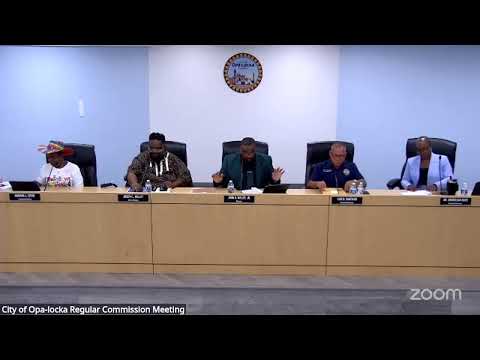
Consultants present parks and recreation master plan; commissioners ask for one-on-one follow-ups
Summary
A parks and recreation master plan draft recommending repairs, accessibility upgrades, new amenities and phased investments over 15 years was presented to the City of Opa-locka commission; commissioners asked for follow-up meetings and for the plan to be updated with current park conditions and cost details.
A consultant presented a draft parks and recreation master plan to the City of Opa-locka commission on June 23, outlining short-, mid- and long-term recommendations to repair and expand park facilities and programs. Lumi Fuentes, the consultant leading the study, told commissioners the plan focuses first on repairing what the city already owns and prioritizing restroom, lighting and playground upgrades, and identifies Ingram Park, Sherbondi Park and Seagull Park as priority sites for phased improvements over the next 10–15 years.
The plan recommends a mix of short-term actions such as site amenities, customer-service improvements and programming changes; midterm field and court renovations; and long-term concepts including an amphitheater, splash pad options and a potential 10,000–15,000 square-foot recreation center at Ingram Park. Fuentes said the plan used a points-based matrix combining resident feedback, facility condition assessments and national/state standards to set priorities.
Commissioners pressed for budget and schedule details. Commissioner Santiago asked whether the plan’s cost would come from the city’s budget; Fuentes and staff confirmed the capital improvements plan (CIP) would be a likely funding source, and the consultant listed grants, sponsorships and bonds as additional options. Vice Mayor Kelly supported short-term mitigation such as radar speed-warning signs while noting the county is conducting a citywide traffic assessment that could affect priority and timing. Several commissioners urged staff and the consultant to meet one-on-one with commissioners to review park-specific data and to update the plan with recent changes to playground inventories.
Fuentes identified maintenance and programmed uses as cross-cutting issues: upgrades to playground shade, replacement of aging playground equipment, improved sports lighting and drainage, ADA compliance, and “crime prevention through environmental design” elements such as sight-lines and landscape height. The plan also recommends expanded multigenerational programming, more aquatic programs, coordinated marketing and staffing improvements in Parks and Recreation.
On Ingram Park, the plan shows phased improvements including entrances and parking reconfiguration, upgraded restrooms and concessions, a track/field area, renovated courts and potential conversion of tennis courts to pickleball. Sherbondi Park recommendations include field renovations (including artificial turf), new restrooms and a possible event lawn or amphitheater. Seagull Park concepts include improved paths, parking relocated to the park perimeter for safety, an ADA‑compliant multigenerational fitness area and a destination playground.
Fuentes recommended a grant‑stacking approach and noted an appendix listing about 30 grants that may apply. She and staff also referenced examples of recent park bonds in other Florida cities as one potential funding path if the commission pursues large, systemwide investments.
The commission did not take a vote on the plan. Mayor Taylor directed the interim city manager to arrange one-on-one briefings between commissioners, city staff and the consultant so commissioners can review cost estimates, phasing and updated inventories before the plan is finalized.