Get Full Government Meeting Transcripts, Videos, & Alerts Forever!
Get email alerts on the Campaign Finance Reform topic
No spam. Unsubscribe anytime.
Secretary of State warns HB 4024 implementation risks without fixes or more time
Summary
Secretary of State Tobias Reed told the House Rules Committee that the statute enacted as House Bill 4024 has ambiguities and an aggressive timeline that risk confusing donors and campaigns, creating enforcement and IT challenges unless the legislature acts to clarify deadlines, definitions, and funding.
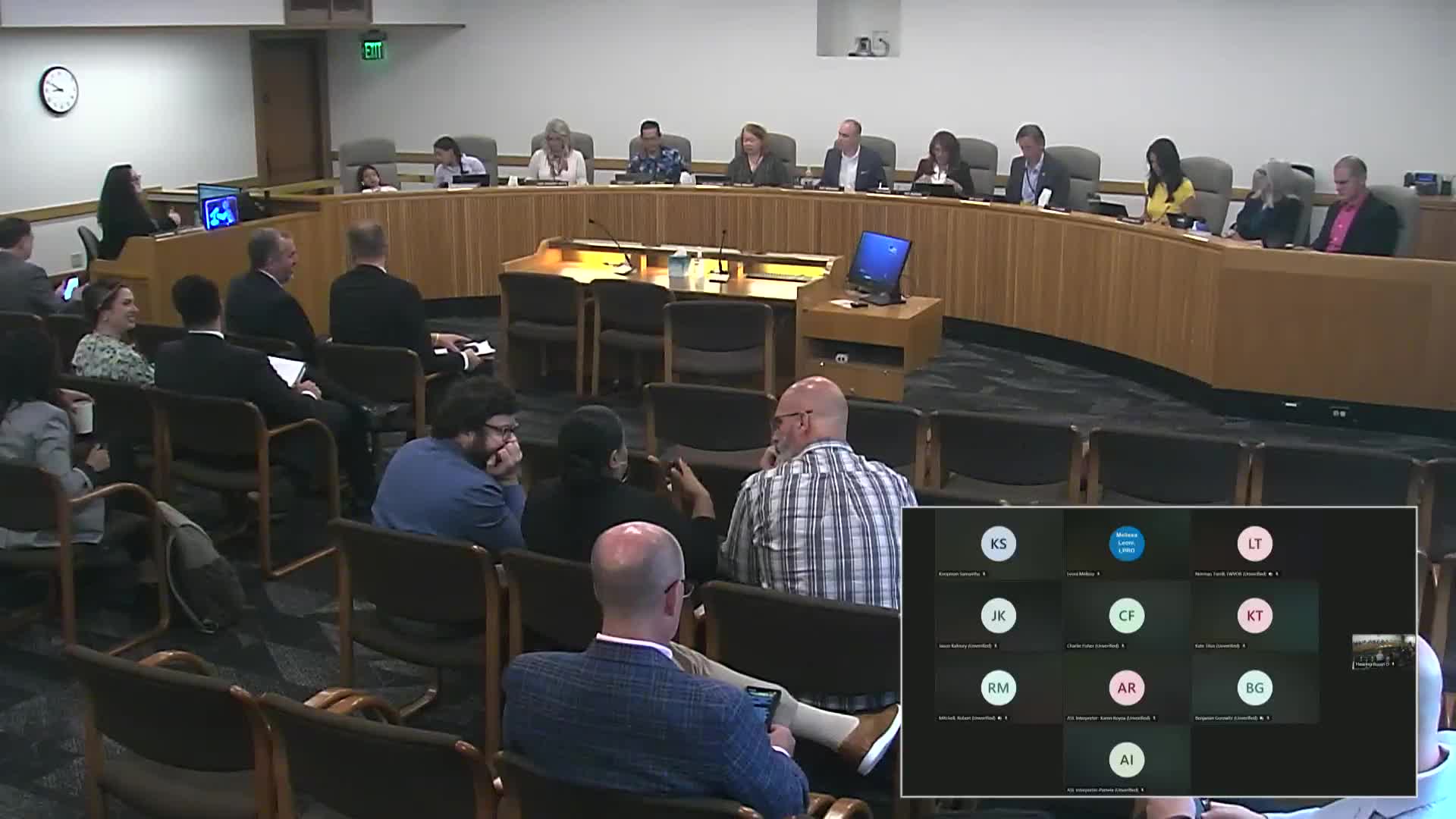
Secretary of State Tobias Reed told the House Committee on Rules on June 25 that implementation of House Bill 4024 (chapter 9, Oregon Laws 2024) requires legislative fixes or additional time and funding to avoid unintended penalties for ordinary donors and an under-tested, brittle information system.
"We need more guidance to get this right, and time is short," Reed said, explaining that certain networks of connected political entities will share contribution limits and that, under current text, donors could unknowingly exceed combined limits and face penalties with no administrative path to cure the mistake. Reed gave a hypothetical: if an individual gives $3,300 to a candidate and later gives $500 to a separate committee that is in the same network, minimum penalties could start at 200% of the over-limit contribution.
Deputy Secretary Michael Kaplan and the Secretary's staff outlined implementation challenges including competing IT demands across agency divisions, risks from a compressed procurement and development schedule, and the limits of the existing ORESTARS system. "Comprehensive risk assessment takes time," Kaplan said, noting the office's preference for a more deliberate project plan, stakeholder engagement, and procurement to avoid "duct tape and bubble gum" solutions.
Advocates and opponents testified in large numbers. Kate Titus of Common Cause urged the committee not to use the dash-5 amendment to indefinitely delay reforms, saying last year's compromise with voters and lawmakers should not be sidelined. Dan Meek of Honest Elections Oregon and Norman Turrell of the League of Women Voters of Oregon both opposed the dash-5 amendment and argued the statutory timelines (contribution limits effective Jan. 1, 2027; disclosure requirements effective Jan. 1, 2028) provide ample runway for rules and systems development. Jason Kafoury, who worked on the 2024 compromise, urged the committee to preserve the enacted timeline and said stakeholders had been negotiating technical fixes for months.
Secretarial staff told the committee that, if the legislature does not adjust the timeline, the office will still implement the law but that doing so would require a substantial supplemental general-fund request in the 2026 session and accept trade-offs in scope, testing, education, or rulemaking. Several legislators pressed for specifics about what would be deferred; staff identified IT procurement, comprehensive testing, broad public education, and additional enforcement capacity as likely areas that would require more funding or delay.
The public record includes written submissions from many civic groups and election-reform advocates and more than 40 registered oral testimonies opposing the dash-5 amendment. The committee did not vote on the amendment during the June 25 hearing; testimony and public comment will be part of the committee's consideration going forward.