Get Full Government Meeting Transcripts, Videos, & Alerts Forever!
Get email alerts on the Product Liability topic
No spam. Unsubscribe anytime.
Committee hears bill to extend product-liability exemption to hospitals
Summary
A public hearing on Senate Bill 1173A drew testimony for and against extending an existing products-liability exemption for physicians to hospitals and certain health-care entities after an Oregon Supreme Court decision exposed hospitals to strict products-liability claims.
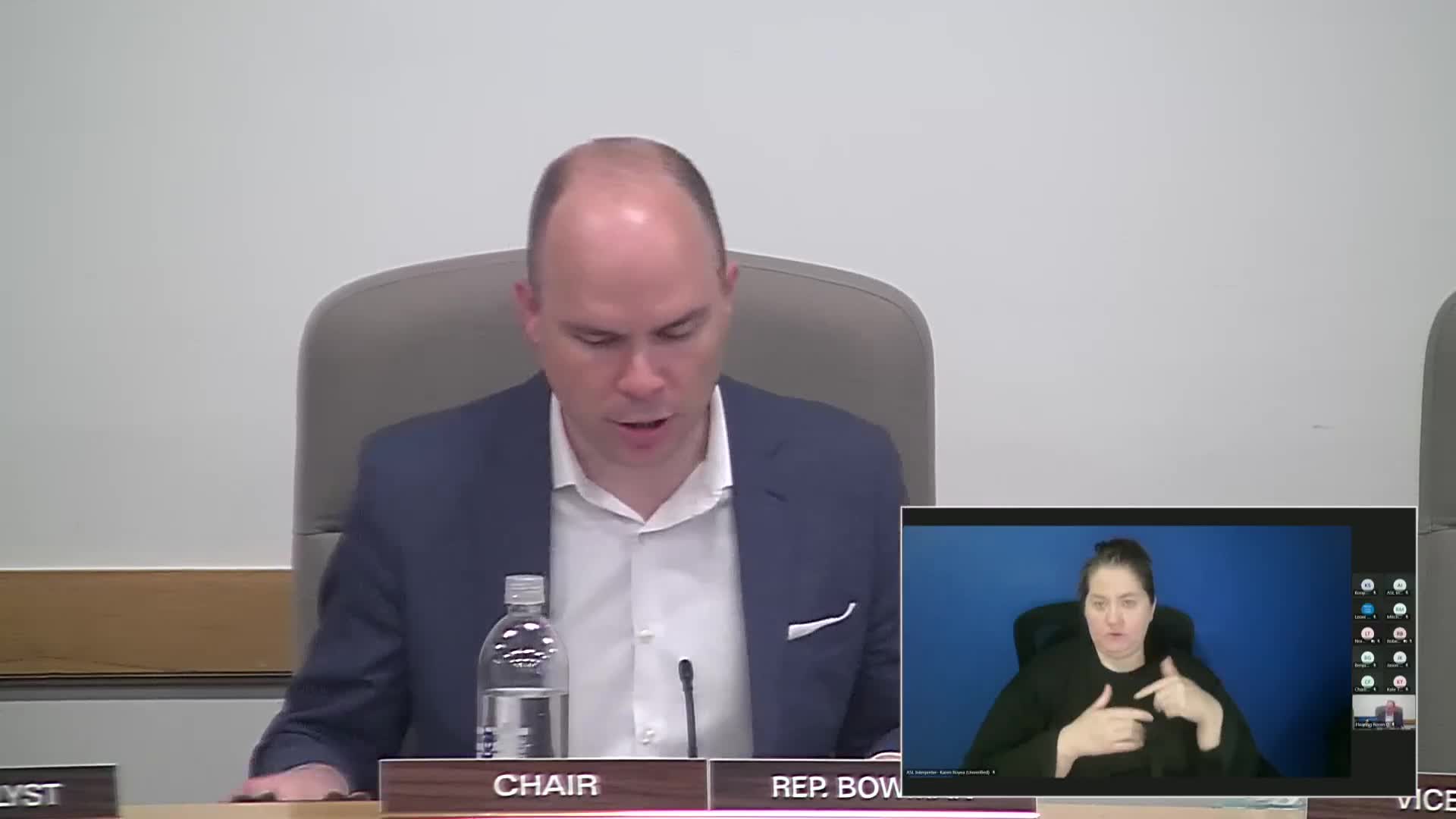
The House Committee on Rules opened a public hearing June 25 on Senate Bill 1173A, which would exempt health-care facilities, hospital-affiliated clinics, professional corporations formed to practice medicine, and residential care facilities from product-liability claims for products they provide to patients when the entity did not manufacture or design the product or offer it for sale to the public.
Supporters told the committee the bill restores parity between physicians and hospitals after a recent state-court decision. "Physicians were providing a service. They were not in the retail business when they were providing treatment," State Senator Floyd Brzezinski said, describing the exemption physicians have had since 2009 and urging the committee to extend similar protection to hospitals when they are acting in a care role. "If the pharmacy is being used for just the patients, I submit to you that they should have the exemption. But if the hospital is running a retail...pharmacy that you or I could come in off the street with the prescription and have it filled at the hospital, they should be held accountable just as if you went to a private independent standalone pharmacy," Brzezinski said.
Senator Lisa Reynolds, a pediatrician, said the Oregon Supreme Court decision in Brown v. Providence "made the hospital liable for any defects in the medication or other products it used in the normal care of their patients," and that holding hospitals strictly liable for product defects could impose new financial burdens on an already strained health-care system. "This bill is a modest but meaningful step to bring clarity to a legal ruling," Reynolds told the committee.
Mark Bonanno of the Oregon Medical Association summarized the sponsors' intent: the measure would preserve patients' ability to sue for medical negligence while preventing hospitals or clinics from stepping into manufacturers' shoes under strict products-liability law. Robert Mitchell, senior of counsel at K&L Gates for Providence, told the committee the bill "appropriately distinguishes" between a hospital's role in providing care and a hospital acting as a retail seller.
Opponents said hospitals already act as sellers and that removing products-liability exposure would reduce incentives to procure the safest products. "Hospitals are sellers of drugs and products. In fact, they make a lot of money from selling drugs and products," said Robert Beatty Walters, an attorney and registered nurse, who cited an example from the Brown case where a hospital charged substantially more for Zofran tablets than retail outlets and raised concerns about device selection and safety incentives.
Disability Rights Oregon submitted testimony urging the committee not to remove product-liability paths for people with disabilities, saying specialized medical equipment and devices are crucial for daily care and that strict-liability remedies provide accountability when equipment fails.
The committee took testimony and heard questions but did not take a vote on SB 1173A during the June 25 meeting. The public hearing included arguments about the line between clinical care and retail activity, whether hospitals should share the physician exemption, and the potential effects on patient safety oversight.
Members of the public and institutional witnesses agreed a clear statutory line between care-provided products and retail sales is central to the sponsors' proposal; testimony identified pharmaceuticals and medical devices as the key categories affected. The hearing record will remain open for written submissions as committee staff and members consider language that would permit an exemption for products provided as part of health-care services but preserve liability when a hospital operates a retail business.