Get Full Government Meeting Transcripts, Videos, & Alerts Forever!
Get email alerts on the Public Safety Police Hiring topic
No spam. Unsubscribe anytime.
Muskego chief seeks temporary authorization to hire two academy recruits to reach 42 sworn officers
Summary
The Muskego Police Chief asked the Committee of the Whole to allow two recruits to attend WCTC academy slots now, bringing authorized sworn strength to 42; aldermen pressed on budget timing, funding sources and longer-term staffing strategy.
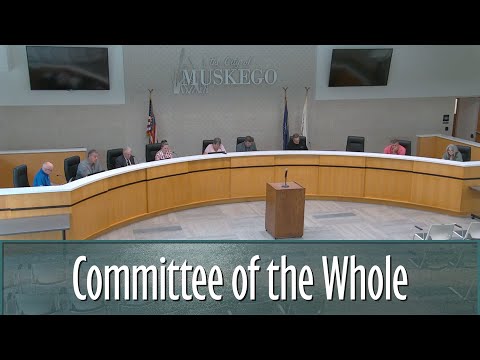
Muskego City’s Committee of the Whole heard June 24 from the police chief seeking short-term authority to hire two academy recruits now so the department can use two available academy slots and temporarily bring its authorized sworn headcount to 42.
The request matters because the city’s police staffing and payroll assumptions are set for 41 authorized sworn officers. The chief told aldermen that filling two academy slots now would help the department avoid prolonged vacancies and reduce overtime burden while remaining within the current-year wage-and-benefits budget.
Police Chief: “I have acquired 2 spots with Waukesha County Technical College, which would bring our total to 42. I'd like to be able to offer 42, individual slots to basically be proactive in the hiring process.” He said recruits in the academy are typically paid at 75% of wages until graduation and that the department expects to stay under its 2025 budget for wages even with the authorization.
Aldermen asked how the extra sworn headcount would affect the 2026 budget and what funding would pay for any short-term overlap. Alderman Decker asked for examples of one-time funding; the chief pointed to prior-year fund balances and “the same ones we use this year that we're not using,” saying some amounts were saved through vacancies and underspending. Alderman Bryce urged a more aggressive buffer, asking why the city does not budget for extra recruits so it is not “behind the 8 ball.”
The chief said academy slots are limited and competitive, and that the department currently has two sworn candidates in background checks and about 10 pre-sworn candidates under interview. He advised that if the city were to reach 42 sworn at the start of next year, the administration would need to include a one-time funding plug in the 2026 budget to cover any months with 42 sworn.
On the department’s hiring mix, the chief explained the trade-offs between lateral hires and new recruits: laterals bring experience but higher salary and accrued leave; recruits cost less initially but require academy investment and probationary training. He also said the collective bargaining agreement for officers ends in January (as discussed during the meeting) and that contract negotiations may affect future wage costs.
No formal ordinance or final vote increasing authorized headcount was recorded at the meeting; aldermen moved the item to the floor and discussed details. The chief said he has existing authority to hire but sought aldermanic support and transparency ahead of budget deliberations.
City staff said the mayor and department will bring any needed recommendations back to the council as financial details become clear, and the chief said he will also seek longer-term options such as a public safety referendum in the next year if councilors support that path.
Muskego aldermen did not adopt a new permanent authorization on June 24; they discussed short-term staffing, competing funding sources such as fund balance or a one-time appropriation, and the constraints of limited academy slots.
Questions from aldermen underlined recurring concerns: how long the department stays fully staffed between turnover, whether to plan for extra recruits to absorb attrition, and the budget timing that governs when one-time funding can be committed. The chief said past experience shows vacancies are cyclical and that the requested move is intended to reduce near-term operational strain.