Get Full Government Meeting Transcripts, Videos, & Alerts Forever!
Get email alerts on the Alternative Education topic
No spam. Unsubscribe anytime.
Board questions whether Lakota Central serves credit recovery or mental‑health needs after attendance review
Summary
Board discussion at the June 17 retreat centered on Lakota Central’s attendance accounting and purpose: district staff reported a year‑to‑date ‘minutes worked’ average attendance of 78.4% for Central students and said most students placed there appear to be seeking alternative supports related to mental health rather than formal credit recovery.
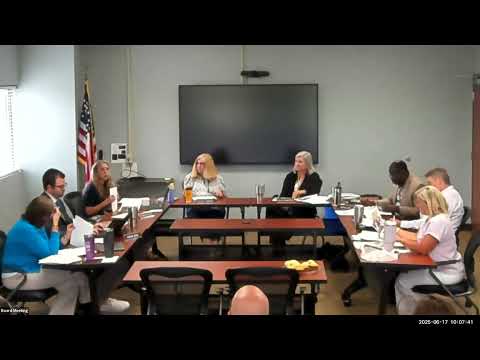
District administrators and board members spent significant time reviewing Lakota Central during the June 17 retreat, focusing on how the program is used and how attendance is recorded.
Staff told the board that Central’s attendance is not logged like a typical building’s day‑by‑day present/absent calendar but is instead captured as manually entered “minutes worked,” a method that produced a year‑to‑date average attendance figure of 78.4% for the program’s approximately 258 enrolled students. Administrators acknowledged they need a clearer crosswalk between minutes‑worked entries, in‑person time and assignment completion, and asked for a Cognos report and spot checks to understand how minutes‑worked correlates with student grades and progress.
Board members and staff also contrasted Central’s original purpose with its current use. Staff said curriculum leaders expected Central to target students needing credit recovery, but current data show a larger share of students there are referred for mental‑health reasons or self‑refer, rather than solely for credit deficiency. The MTSS (multi‑tiered system of supports) process screens referrals but staff acknowledged inconsistencies in how interventions are documented before a Central placement and questioned whether better in‑school interventions could reduce placements.
The district agreed to several follow‑ups: clarify the “minutes worked” definition and data collection method; perform targeted crosswalks between attendance percentages and academic outcomes; and ask the curriculum and counseling teams to return to the board with recommended options for Central’s future operations — whether that means retooling the current Central model, integrating some services into home high schools, or establishing clearer return‑to‑home‑building pathways for students who improve.
What to watch next: administrators said they will bring the Cognos attendance analysis and proposed criteria for Central placement back to the board, with options on whether to redesign the program or strengthen home‑school interventions and supports.