Get Full Government Meeting Transcripts, Videos, & Alerts Forever!
Get email alerts on the Board Governance topic
No spam. Unsubscribe anytime.
School board workshop debates cutting opening comments, trimming recognitions and moving to one monthly meeting
Summary
Board members discussed limiting opening remarks, reducing recognition items and possibly moving to one regular monthly meeting with an optional consent meeting; staff warned calendar and agenda‑submission timelines must be adjusted and communications staff would need time to reconfigure production.
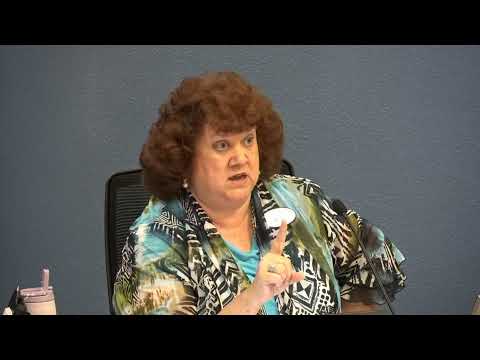
Volusia County School Board members spent the June 24 workshop reviewing meeting practice changes: limiting early board comments, shortening member remarks and considering a shift to one regular monthly meeting plus an optional consent meeting or offset workshop.
Chief of staff John Cash and Board Attorney Dr. Gilbert Evans presented comparisons from neighboring districts and summarized the district’s current meeting cadence: two board meetings per month in most months and 13 workshops this year. Cash told the board the district holds a high volume of agenda items and that changes would require recalibrated submission deadlines and a standing consent option tied to a workshop date if the board wants monthly spacing.
Board views
Board members split on whether to reduce the number of meetings. Several members supported moving to one regular meeting per month and an occasional workshop‑consent meeting; others said recognitions and administrative appointments are important public moments for families and asked for a compromise. Several members agreed to eliminate opening board comments and to limit closing comments to shorter, timed turns.
On timing and staff workload
Staff warned any move to a monthly meeting model requires changes to agenda submission timelines to give the clerk and cabinet adequate time for review. Chair Jamie Haynes emphasized that agenda materials must still be delivered early enough for proper review and public access and said she rejected cuts that would create last‑minute burdens for the clerk and staff.
Other changes and next steps
- Administrative appointments: the board discussed a Broward‑style compromise where appointees receive a brief (about 60‑second) in‑chamber welcome and communications staff post a photo and brief biography, while formal approval appears on the consent agenda.
- Speaking limits: board members discussed 5‑minute initial turns with a shorter rebuttal (for example, 3 minutes) for a second round when a topic merits extended discussion.
- Recognitions: members proposed retaining state‑ or national‑level recognitions at the board meeting while shifting most school‑level recognitions to campuses or regional events.
The workshop produced tentative consensus on ending opening member comments, limiting remarks, and pursuing a monthly meeting structure with an offset consent option; staff will draft calendar adjustments and rules changes for future board action. The board asked staff to return with proposed calendar revisions and a plan for handling agenda‑submission timelines and communications needs.