Get Full Government Meeting Transcripts, Videos, & Alerts Forever!
Get email alerts on the Land Use Subdivision Water topic
No spam. Unsubscribe anytime.
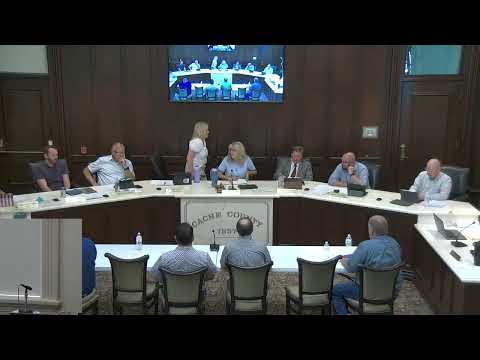
Council discusses water adequacy, considers temporary moratorium on larger subdivisions
Summary
Councilors and planning commissioners raised concerns about groundwater and service demands after several large subdivision applications; staff and counsel discussed a possible temporary land‑use moratorium for subdivisions above a threshold (working proposal: five lots) while new code and water‑supply rules are drafted.
Councilors and planning commissioners opened a discussion about groundwater adequacy and county capacity after recent large subdivision approvals and additional large proposals in the pipeline.
Why it matters: attendees said several new subdivisions would add many new domestic wells and septic systems in areas where water is a limited resource; participants argued the county should consider standards such as requiring public‑water systems for clustered subdivisions or a test well requirement before recording lots.
Speakers said two recently approved subdivisions in the Mount Sterling area will add many wells in locations that previously had only a handful, and commissioners noted examples of recently drilled wells that produced no water. One participant summarized state practice elsewhere: “in Box Elder County, if you do a certain subdivision, they make them drill a well to make sure there's water there first.” Planning staff noted state code already requires public‑water‑supplier registration when a development will serve five or more homes or more than 25 people; staff proposed using that threshold as a model for county review.
County counsel, Andrew, outlined the moratorium option and legal constraints, saying the county can establish a temporary land‑use regulation without prior planning‑commission recommendation but that such a moratorium “is not gonna exceed a hundred and 80 days.” Commissioners and council members discussed whether the council should place a temporary hold on new large subdivision approvals while staff drafts standards addressing water supply, septic/sewer options, fire access and related service impacts. Several members supported using a 5‑lot threshold for additional scrutiny; others suggested 10 lots, and the group asked staff to prepare language for a moratorium that would be legally defensible and narrowly tailored.
Officials also discussed infrastructure impacts beyond water including fire response, roads and long‑term service burdens. Staff and public‑works officials said a county‑level policy that requires clustered subdivisions to establish a public water system (metering and state registration) would increase oversight and help protect groundwater and source‑water quality.
Next steps and council direction: council members asked staff and county counsel to draft a temporary moratorium ordinance or emergency regulation targeted at larger subdivisions (the working threshold discussed in the workshop was five lots) and to return with a recommended text the council could consider on the next agenda. Staff also will pursue code language that clarifies when a subdivision must provide a public water system or demonstrate water availability before final plat recordation.
Ending: the council directed staff to prepare draft language and told counsel to confirm statutory procedures and timing for a 180‑day temporary land‑use regulation; no moratorium had been adopted at the workshop.