Get Full Government Meeting Transcripts, Videos, & Alerts Forever!
Get email alerts on the Short Term Rentals topic
No spam. Unsubscribe anytime.
University Heights residents urge stronger enforcement of short‑term rental rules after overnight party
Summary
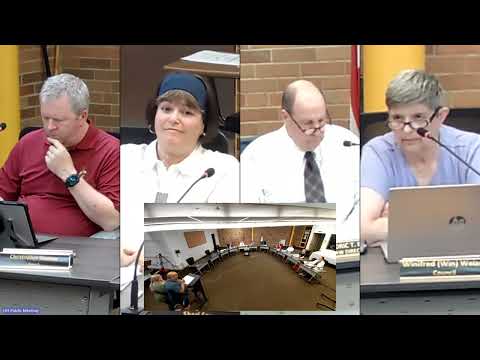
University Heights residents told the city’s housing committee on a June meeting night that existing short‑term rental rules need active enforcement after a late‑night party at an Airbnb‑style property allegedly left a nearby family fearing for their safety.
University Heights residents told the city’s housing committee on a June meeting night that existing short‑term rental rules need active enforcement after a late‑night party next to a family with a medically fragile child.
“Our son has a severe form of epilepsy and is maxed out on medication. If he's startled awake at night, he has seizures. These seizures could kill him,” said resident Matthew Christieson, who described calling police three times after loud late‑night gatherings at the neighboring rental and asked the city for a cap and owner residency requirements.
The housing committee and city staff outlined what the city can enforce under its short‑term rental ordinance and other local nuisance codes, and they described staffing and implementation issues that have delayed full use of the ordinance. Law Director Bryan Bridal told the committee he reviewed nearby cities’ approaches and related litigation and noted pending state legislation that could limit local rules.
Why it matters: neighbors said the noise and safety concerns are not isolated incidents and urged the city to prevent residential properties from operating as de facto hotels. Committee members said the ordinance creates enforcement options but that residents must report incidents and the administration needs staff to implement registration and tax collection.
The committee heard specifics from Councilman Christopher Cooney and Housing Director Markelle Davis about enforcement steps already on the books. Cooney read the relevant code provision — “Section 6‑48‑17(b)” — saying the chief of police “upon finding 2 or more nuisance activities declared in the section within a 12‑month period shall cause a written notice to be served to the owner of the property,” a threshold he described as actionable. Bridal summarized portions of the city’s short‑term rental rules and compared them to Cleveland’s pending ordinance and to litigation in other states; he said some state bills under discussion would cap annual application fees at $50 and could require ordinance revisions if enacted.
Housing Director Markelle Davis said the department has discovered one‑ and two‑family rental units that were not registered and that a fully staffed housing office is needed to operate registration, inspections and tax collection. She and other committee members said police should be called for ongoing disturbances because the housing staff cannot respond on weekend nights and police reports provide documentation for later administrative or court action. “Calling the police is the best thing you can do at the time when that's going on,” a member of the committee said while urging residents to document incidents.
Residents and speakers suggested policy changes including a citywide cap on short‑term rentals, limits on out‑of‑state ownership, minimum stay requirements (for example, 29 days), and requiring commercial rezoning for homes operated as hotels. Several committee members said the ordinance that was passed in June 2024 is legally enforceable but that delays in implementing the registration and permitting components stemmed from staffing decisions and coordination with the finance department over taxes. The administration and council members disagreed in part over which steps were delayed by council (salary bands and position approvals) versus administrative restructuring.
No formal enforcement action or amendment to the ordinance was voted on during the meeting. The mayor and committee members said they would follow up with the police department and housing staff to ensure reports are investigated and that the city pursues nuisance declarations and other remedies where the code applies. Council members also urged the resident to provide contact information so staff could follow up.
Residents, committee members and staff agreed on two practical next steps: residents should call police whenever a disturbance is occurring so the incident is documented, and the administration should continue work to staff and equip the housing department to process registrations, inspections and tax filings.
Ending: The committee closed without adopting new limits or taking a formal vote on expanded enforcement measures; members said they expect additional follow‑up from the housing department, the mayor’s office and the police on next steps.