Get Full Government Meeting Transcripts, Videos, & Alerts Forever!
Get email alerts on the Hospital Provider Fee topic
No spam. Unsubscribe anytime.
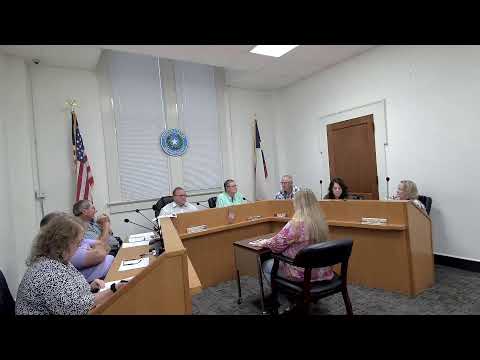
County hears proposal to join regional hospital participation fund to draw Medicaid matching dollars
Summary
Presenters asked Brown County Commissioners to consider creating or joining a multi-jurisdictional hospital participation fund that would assess hospitals to generate the countynonfederal share needed to draw federal Medicaid matching funds.
Presenters asked Brown County Commissioners to consider creating or joining a multi-jurisdictional local provider participation fund so Peterson Hospital and partner hospitals can access federal Medicaid matching funds without adding a county tax. The proposal would let participating hospitals be assessed a fee (presenters said up to 6% of patient revenue), which the district would remit to the state and receive federal matching dollars in return; those federal funds would flow back to hospitals.
Supporters said the structure avoids any direct use of county tax dollars and imposes administrative costs that can be paid from the fee revenue; the statute cited in the presentation allows an administrative allowance (presenter cited up to $150,000 plus collateralization costs) and limits on how fees may be collected and used. Presenters said the statutory authority for the program, as described, would expire Sept. 1, 2027, absent new legislative action, and that once implemented the program has limited precedent for opt-out (dissolution requires joint action by founding jurisdictions).
Commissioners asked about: who would administer the program (presenters suggested an independent third-party administrator or a participating city/county), whether the county could face administrative or financial obligations, how public notice and hearings would be handled (presenters said the new district board/administrator would publish notices and hold the required hearings), whether hospitals may pass the fee through to patients (presenters said state statute prohibits hospitals from passing the fee to patients), and what jurisdictions would participate. Presenters referenced 32 existing programs in the state as models and named Hopkins County and Tom Green County as example partners; Brent Smith (identified in discussion as CFO of Hopkins County) and a consultant named Gerald were mentioned as contacts.
Presenters said the district board would likely be a small board (three members in the model discussed) with local appointees (the county judge would appoint a commissioner representative under the proposed model). The board would set an annual rate to be assessed on hospital revenue; the presenters described a sample cap at 6% of hospital revenue, saying the district annually decides the exact percentage.
No formal vote was recorded on creating the district at this meeting. Commissioners asked staff and presenters to provide more details on administrative arrangements, the exact statutory language, participation by neighboring jurisdictions, timelines tied to federal legislative activity, and potential financial impacts on county hospitals. Presenters emphasized that the program is intended to be hospital-funded and not supported by county property-tax levies.
The county will consider follow-up information on statute text, sample resolutions, and administrative options before making a decision.