Get Full Government Meeting Transcripts, Videos, & Alerts Forever!
Get email alerts on the Citizen Input Policy topic
No spam. Unsubscribe anytime.
School committee debates citizen-input rules; members differ over scope for special meetings
Summary
Members discussed policy BEDH and whether citizen input should be limited at special meetings; some argued for broader public engagement while others said policy or charter language supports limitations for special-meeting formats.
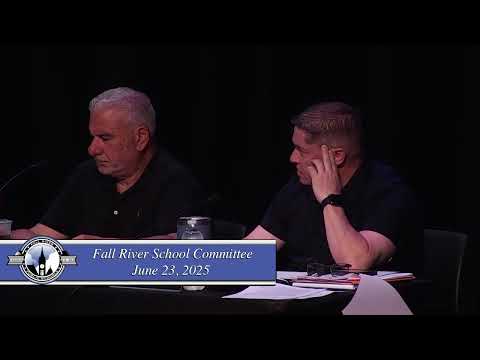
The Fall River School Committee spent substantial time on June 23 discussing policy BEDH and the committee’s rules for citizen input during special or additional meetings.
Committee member Colin Dias framed the discussion as a request to “loosen up” the committee’s approach to public comment and said parents and stakeholders should be allowed to provide information at meetings where it is relevant. Dias argued that the city council allows some exchange and that the committee should do the same so that elected officials can hear firsthand from parents and employees.
Other members pushed back, saying current policy and charter language must be respected and that the committee has handled public comment consistently. Several members said the confusion in a recent meeting arose from logistics — a speaker not being told when to speak — rather than from a policy that silences public input. Committee members also debated whether the meeting called June 23 was a “special meeting” (which the backup materials treat as limited to items on the agenda) or an additional regular meeting; some members urged the committee to change its practice so that an “additional” meeting with many agenda items would not be labeled special and therefore constrained for public comment.
Mimi Larrivee and others noted that citizen-input time is included in the city charter (section cited during discussion), and therefore the committee must preserve the public’s opportunity to speak while also clarifying the procedural distinctions between “special” and “regular” meetings.
The committee did not change policy at the June 23 meeting but asked staff to return with clarifications on the definitions of “special meeting” and who rules on the admissibility of citizen input; several members asked that the chair make final rulings and that the committee adopt a clearer, written process to avoid future confusion.