Get Full Government Meeting Transcripts, Videos, & Alerts Forever!
Get email alerts on the Homelessness topic
No spam. Unsubscribe anytime.
Residents press Spokane council on homelessness, fentanyl and encampment policy ahead of property-rights vote
Summary
Multiple residents urged the council to restore or enforce encampment rules, expand shelter options and treat fentanyl as an emergency; callers described public drug use near playgrounds and argued for reinstatement of Prop 1 rules protecting parks and shared spaces.
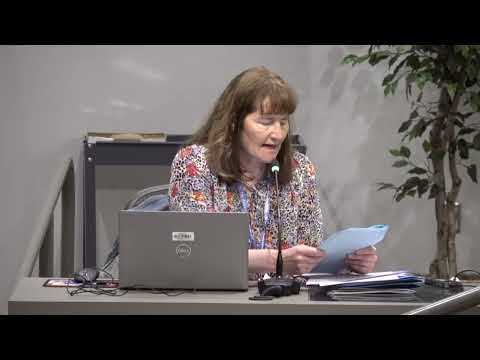
Multiple Spokane residents used the June 23 open-forum period to press the City Council on homelessness, encampments and public-safety issues, with several speakers urging reinstatement of voter-approved rules addressing how and where people may camp in public spaces.
Tyler Timouch, who identified himself as a District 1 community leader, urged the council to reinstate Prop 1 — a voter-approved measure related to camping rules — saying it reflected "the will of the people" and that the measure balanced enforcement with services. Timouch recounted a recent Park observation in which he said people were passed out "right next to where her kids like to play," and said he would return with more testimony the following week when the council considers related ordinances.
Diane Sutton testified about fentanyl overdoses, saying Spokane County is at risk of one of the nation’s highest per-capita fentanyl death rates and urging the council to respond with "emergency-level" coordination. She asked for rapid collaborative action and cited local emergency responses in other jurisdictions as examples.
Multiple speakers described visible public drug use and encampments near downtown parks and hotels. Larry Andrews described witnessing public drug activity near the Redpath Hotel and urged the council to move people into facilities away from downtown public spaces. Other speakers asked the council to explore tiny-house villages or other shelter models that prioritize safety and services.
Councilors did not adopt policy changes during the open forum. Several council members acknowledged the public concerns and said the council would hear related proposals and testimony at upcoming meetings. The June 23 meeting set the stage for further debate; speakers said they planned to return as ordinances and ballot measures are discussed in coming sessions.
Clarifying notes from testimony: speakers described incidents of people passed out on park pathways and encampments adjacent to playgrounds and hotels; several asked for both enforcement and expanded shelter capacity, including proposals for tiny-house programs and satellite facilities outside downtown.