Get Full Government Meeting Transcripts, Videos, & Alerts Forever!
Get email alerts on the Zoning topic
No spam. Unsubscribe anytime.
Whitehall council postpones vote on Fairway Boulevard overlay after staff flags broad restrictions
Summary
City staff and petitioners clashed over proposed Fairway Boulevard overlay rules that would restrict development, require extensive studies and block use of capital funds; council voted to postpone a decision to give staff and petitioners time to reconcile language.
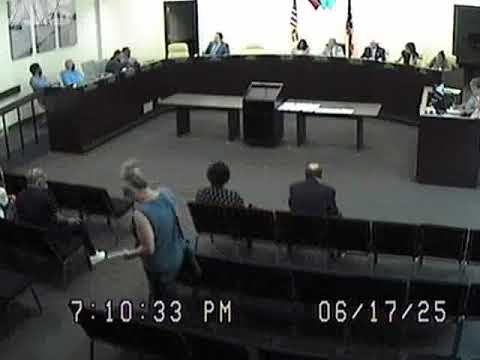
WHITEHALL, June 17, 2025 — The Whitehall City Council on Tuesday postponed consideration of an initiative petition that would create a Fairway Boulevard overlay district after city staff described new limits on development, infrastructure work and the use of public funds.
The proposed ordinance, introduced as Ordinance 42-20-25 and driven by an initiative petition, would add an overlay to the city’s planning and zoning code covering 13 parcels along Fairway Boulevard and would, among other changes, restrict permitted building types and impose new review requirements for public infrastructure projects. Councilman Dixon moved to postpone the ordinance to no later than July 15; Councilwoman Smith seconded the motion, and the roll call vote was unanimous.
The proposal drew sustained scrutiny from staff and council because the overlay would: allow only detached single-unit buildings in the district; change how “frontage” is measured; require a community impact analysis, a traffic study and an environmental study for public infrastructure projects; mandate a 90-day public notice for hearings; and require an ordinance 180–270 days before construction could begin. Director of Economic Development Russell told council, “At this time, I want to provide a factual review of the ordinance items that are going to directly impact the planning and zoning code,” and later summarized that under the new overlay "we are no longer permitted to allow for subdivision development improvement and renovations."
Russell also said the overlay text would prevent the city from using capital funds in the district — including grants, bonds and standard capital improvement allocations — unless the overlay’s more stringent process is followed. That would mean some projects normally handled through the city’s capital improvement processes could require additional studies and an extended approval timeline, she said.
Council members asked for clarification about which parcels would be covered and how the overlay would interact with existing zoning. Russell said the map under consideration shows the 13 parcels in a red outline and that, if language in the overlay is ambiguous, it would default to existing zoning code provisions. She recommended postponement so staff could work with petition committee members to reconcile intent and wording and give council time to do “due diligence” on potential impacts.
Council questions focused on practical effects: who would vote on future infrastructure projects; whether the overlay was a form of spot zoning; and what constituted an "exhaustive traffic study." Russell said final votes on infrastructure projects would remain a council decision but would have to follow the overlay’s more stringent public-notice and study requirements. On technical definitions such as the traffic-study threshold, Russell said the overlay text does not define every term and that some study requirements may depend on the specific project and its funding source.
The petition committee can amend the initiative text before it goes to voters; Russell said the petitioners and city staff had scheduled a meeting to clarify intent. City attorney Nicodemus explained the amendment process: if council amends committee-drafted language and the petitioners do not accept the changes, petitioners have 10 days to notify the city that they want the original language presented to voters, in which case council amendments would be removed.
The council’s postponement motion, introduced by Dixon, was seconded by Smith and carried in a recorded roll call. The ordinance is postponed to no later than July 15, 2025.
Why it matters: The overlay would change the permitting and funding path for public infrastructure and private development in the overlay area, potentially lengthening timelines and increasing up-front costs for projects. Petitioner-driven overlays also raise legal and procedural questions about voter-initiated changes to zoning rules and how those interact with existing development standards.
What’s next: City staff will meet with members of the initiative petition committee to refine language and clarify implementation details; council will review revised language before any vote on whether to place the measure on the ballot or to take local legislative action.