Get Full Government Meeting Transcripts, Videos, & Alerts Forever!
Get email alerts on the Stormwater Infrastructure topic
No spam. Unsubscribe anytime.
County engineering proposes buying sweepers and Vactors with Monsanto settlement funds to cut rental costs
Summary
Spokane County staff recommended using $2 million awarded from the Monsanto Part B settlement to purchase street sweepers and Vactor trucks, arguing equipment purchase would pay back rental costs in roughly 4–5 years and free road funds for other uses; staff said outfall projects still qualify for Ecology grants.
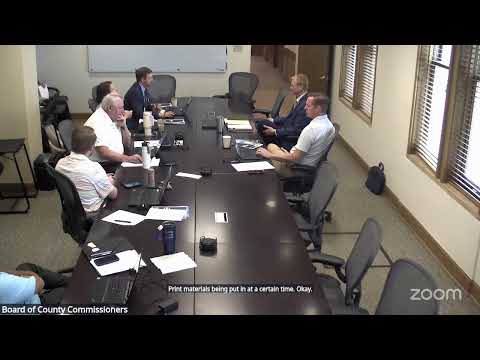
Spokane County engineering staff told commissioners on June 17 that the county has received $2 million from a portion of the Monsanto Part B settlement and proposed buying street sweepers and Vactor (vacuum) trucks to replace expensive rentals and to expand stormwater maintenance capacity.
"We currently spend quite a bit of money renting sweepers and Vactors—$76,000 and $145,000 a year respectively," the county—s stormwater presenter said. Staff said purchasing the equipment would produce an estimated five‑year payback for sweepers and about a 4½‑year payback for Vactor trucks based on current rental costs.
The county had requested about $5.1 million of Part B funds for a broader set of stormwater projects; the special master awarded $2 million. Staff said the equipment purchase would allow the county to bring sweeping and catch-basin cleaning in‑house, improve source‑control for pollutants such as PCBs and free road‑fund dollars that otherwise would pay for rentals.
Engineering staff also described a list of outfall projects (bridge/culvert discharges) originally included in the request. They said those outfalls remain strong candidates for Washington Department of Ecology grants—projects that Ecology typically funds at high percentages—and recommended pursuing outside grant funds for construction of those outfall improvements rather than using the settlement dollars for both equipment and outfalls.
Commissioners asked about operational impacts and staffing. Staff said ownership would allow year‑round deployment (including portions of winter and runoff season) and reduce frequent rental expenditures that historically occurred during high‑demand months. Staff also said crews can perform more frequent catch‑basin cleaning and other preventative work that helps keep pollutants out of waterways.
No formal procurement vote was recorded in the briefing; staff—s recommendation was to proceed with equipment purchases and to pursue Ecology grants for outfall projects. Commissioners and staff discussed follow‑up on grant timelines, specific outfall selection and ongoing maintenance plans.