Get Full Government Meeting Transcripts, Videos, & Alerts Forever!
Get email alerts on the Community Development Funding topic
No spam. Unsubscribe anytime.
Council reallocates returned CDBG funds but rejects $90,000 extra grant to Habitat for Humanity
Summary
The Niagara Falls City Council reallocated up to $50,000 in returned CDBG funds to housing rehabilitation projects but rejected a separate proposal to give an additional $90,000 to Niagara Area Habitat for Humanity on June 12, after community members raised concerns about cuts to summer youth programming.
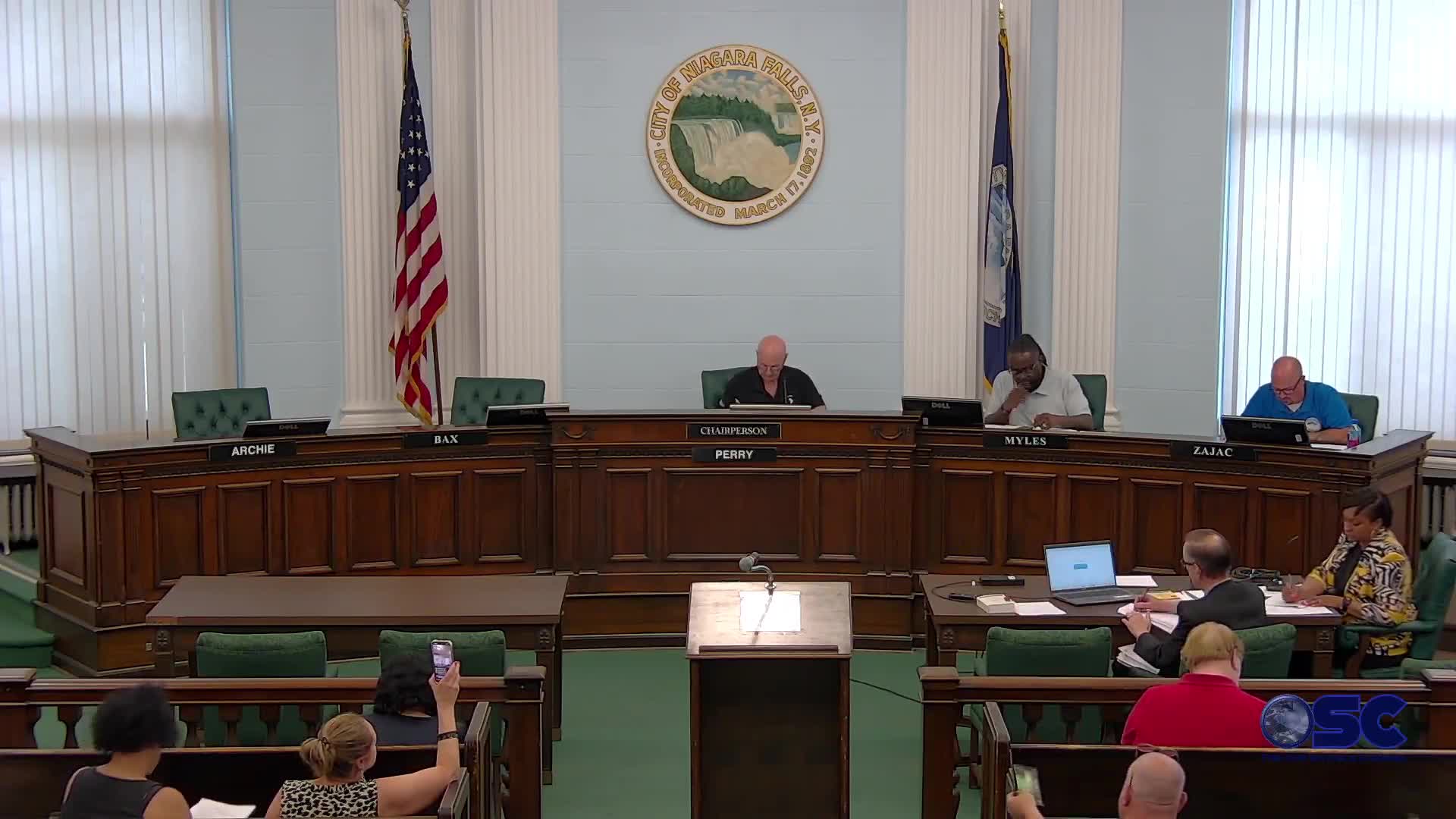
The Niagara Falls City Council on June 12 approved reprogramming up to $50,000 in Community Development Block Grant (CDBG) funds returned by the Community Corporation of Niagara Development Corporation (CCNDC) back to the city’s housing rehabilitation projects, but it voted down a separate motion to grant an additional $90,000 to Niagara Area Habitat for Humanity.
Councilmembers and staff said the $50,000 is existing CDBG money that had been returned and is being reallocated to ongoing housing rehabilitation work; the mayor’s recommendation memo dated 06/12/2025 supported the motion. The subsequent motion to increase the Habitat grant from $10,000 to $20,000 per unit (total additional $90,000) drew more discussion and ultimately failed on a 2‑to‑1 vote.
During public comment and council debate, speakers questioned the city’s budget choices. A resident objected that summer programming for marginalized children at Packard Court and the Doris Jones Community Center had been cut while funds were being reallocated: “The budget was cut for summer programming for marginalized kids ... I have a tough time understanding how that ... magically come up with an additional ... $40,000 now to give to [the grant],” the commenter said, asking whether the reprogramming would reduce youth program funding.
City staff answered that the reprogrammed funds were previously allocated CDBG dollars returned to Community Development and were not new city general‑fund dollars. Staff explained that Community Development would oversee the work and that actual per‑unit costs vary depending on unit condition.
The grant motion failed after roll call: Councilmember Dante Miles recorded a “No,” while two other council members voted “Yes.” The council clerk recorded the outcome as “The motion is defeated.”
The CDBG reprogramming motion passed by unanimous recorded aye votes (three ayes), and the funds were authorized to be used for housing rehabilitation projects under Community Development’s supervision.
Councilmembers asked staff to clarify funding sources and to publish more complete budget breakdowns and the amount of taxes or program funding affected by reallocations. One member said the administration should improve outreach and transparency about how returned HUD‑related or CDBG funds are advertised and reallocated.