Get Full Government Meeting Transcripts, Videos, & Alerts Forever!
Get email alerts on the Property Disposition topic
No spam. Unsubscribe anytime.
Niagara Falls council approves sale of 10 city properties and waives $107,151 in back taxes for developer’s rehab project
Summary
The Niagara Falls City Council on June 12 approved selling 10 city‑owned properties to Restore Niagara Falls LLC and waived $107,151 in unpaid taxes and fees; the sale is tied to a state program that reimburses redevelopment costs dollar‑for‑dollar up to $1 million but requires completion of all 10 rehabs before reimbursement.
The Niagara Falls City Council on June 12 approved selling 10 city‑owned properties to Restore Niagara Falls LLC and waived $107,151 in unpaid taxes and fees on those parcels, council members said. The sale is tied to a state dollar‑for‑dollar reimbursement program the administration said could provide up to $1 million for full rehabilitation of the properties.
The vote matters because the properties have been city‑owned for years, several were on the city’s demolition list and the state program requires a single developer to complete all 10 rehabs before requesting reimbursement, city staff said. That structure, staff and the developer said, is meant to preserve housing stock rather than let the houses be demolished.
City staff told the council the unpaid taxes and fees on the 10 parcels totalled $107,151 and accrued over many years after foreclosure. “In New York, every municipality, the city included, is required to pick up the tax bill when a house that’s been foreclosed upon hasn’t paid their taxes,” the administration said during the meeting, describing how those amounts are handled. The administration also said the state reimbursement is paid only after project completion and that developers are reimbursed on a lag of roughly six to 12 months after submitting receipts.
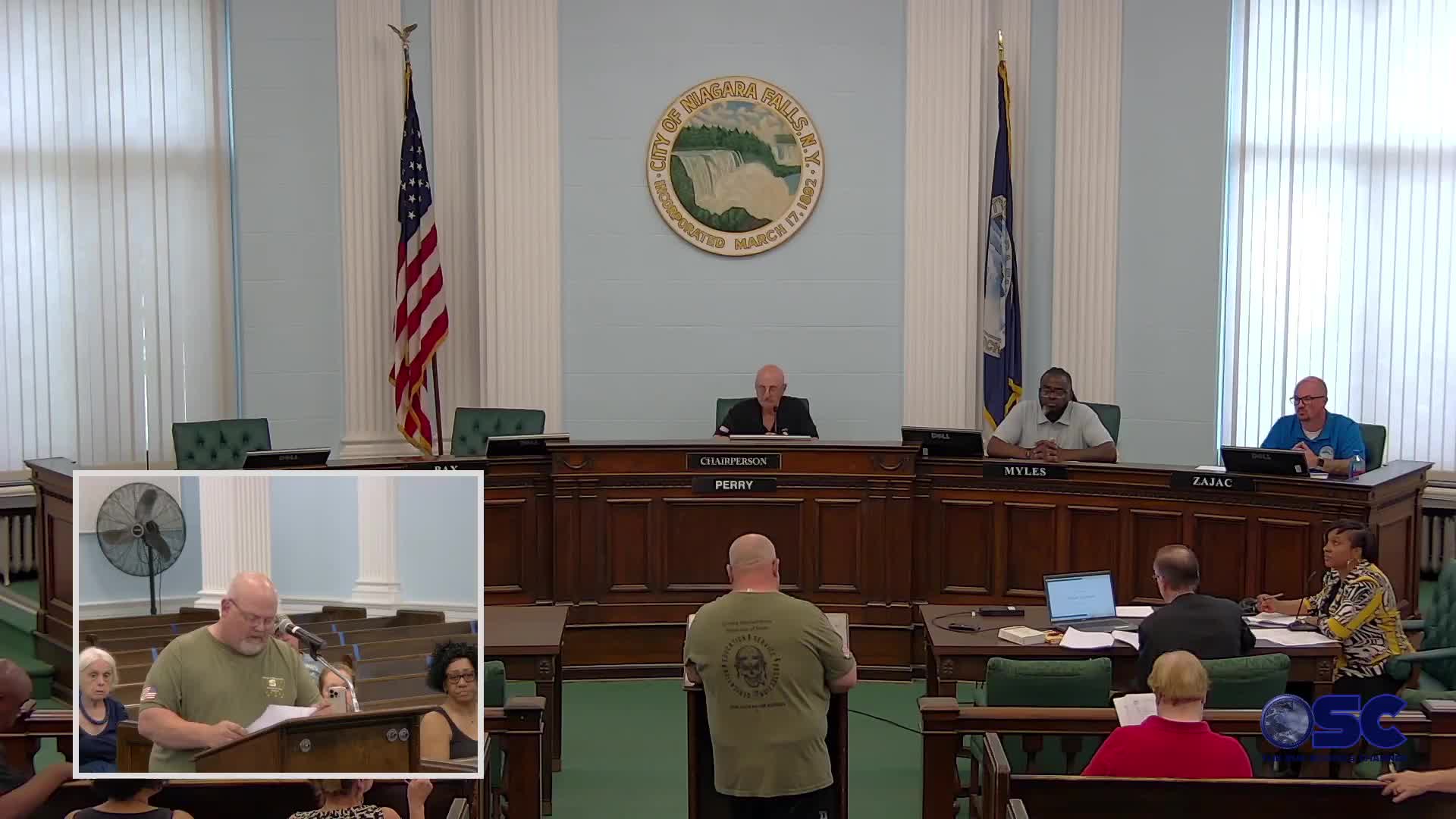
Developer and resident Renee Moran, who identified herself as the owner of Red Door Real Estate, told the council she acquired the building that led to the project on the open market and proposed stabilizing, rehabbing and marketing the properties. “We are ready, willing, capable, and able, and have the experience to do this project,” Moran said during public comment.
Moran said her plan is to stabilize and manage six properties and list those on the open market, and to fully rehabilitate four properties, keeping two for short‑term rental and selling two to homeowners. She told the council the work is costly and the state reimbursement structure requires the developer to complete all 10 rehabs before seeking the dollar‑for‑dollar match.
Several residents and public commenters raised objections to the package. Janine Gallo said the sale and tax waivers created an appearance of favoritism and alleged a conflict of interest in prior property transfers, calling agenda item 4 “a continuation of the scam and the dirtiness of Niagara Falls.” Tanya Perrone asked whether appraisals had been completed and asked the council to publish the tax amounts being waived so the public could see monetary impacts. The council’s record of the meeting shows those questions were asked during the public comment period.
Councilmember Mayes said she had reviewed the developer’s work and voted in favor: “I vote yes on this,” he said. The council roll call recorded three ayes and the motion carried.
Council and staff responses during the meeting included procedural and contractual clarifications: the proposed deeds had not yet been drafted, staff said, and the administration noted the grant terms—requiring all 10 properties be completed by a single developer and that reimbursement comes after project completion—are significant incentives for a developer to finish the work, but also barriers that had limited interest from other developers.
The council did not adopt a separate clawback clause on the record; staff said a deed could be drafted to include recapture language but emphasized the program’s reimbursement structure itself creates a strong incentive to finish the rehabilitation.
The successful motion authorizing the sale, tax forgiveness and necessary deed execution came after public comments and questions from council members. The record shows the mayor’s recommendation memo dated 06/12/2025 provided supporting details for the transfer and the administration’s explanation of the state reimbursement terms.
Council members and staff said the sale aims to preserve structures that otherwise would be demolished and to return properties to the tax rolls after rehabilitation. The city clerk and planning staff will publish deed and closing details when they are finalized.
The council did not set a formal enforcement timeline in open session beyond standard deed and closing procedures; staff said more specific contract terms, including any enforcement or recapture provisions, would be drafted into conveyance documents before closing.