Get Full Government Meeting Transcripts, Videos, & Alerts Forever!
Get email alerts on the Historic Preservation Rosewood topic
No spam. Unsubscribe anytime.
Neighbors split over Rosewood Farm and Woodbury Road historic‑overlay scheduling
Summary
Speakers at Town Hall urged both preservation and caution: proponents said adaptive reuse can protect estates, while opponents said hearing scheduling is premature amid private negotiations.
Public speakers presented competing views on Rosewood Farm and a proposed historic‑building overlay for 473 Woodbury Road, asking the board either to move forward with hearings that could enable adaptive reuse or to delay votes while negotiations continue.
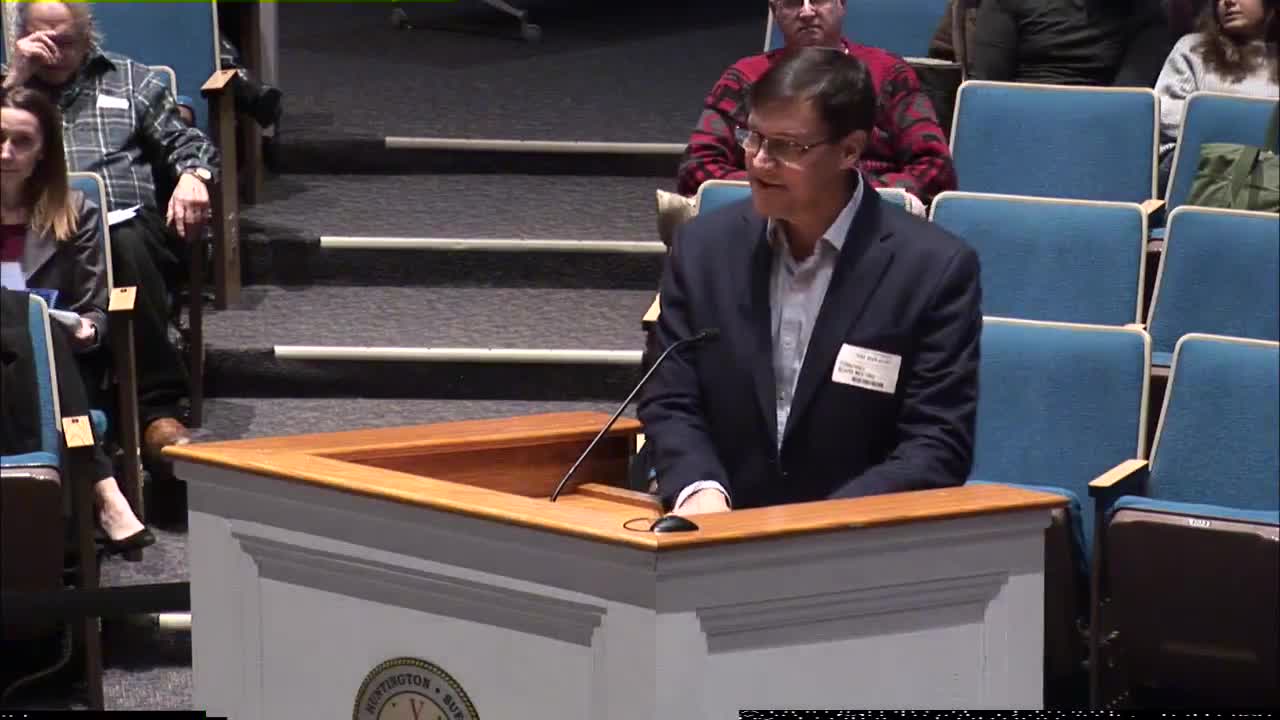
Michael Riccardi, who said he has lived in the neighborhood for 50 years, thanked the board for placing Rosewood Farm on the agenda and urged members to “walk that land and get a sense of why this is valuable to support.” Riccardi said allowing the property owners to pursue revenue‑generating uses could fund restoration and preserve historic estates that otherwise might be lost.
Peter Talman, who said his family has owned 4 Woodley Road for more than 75 years, urged the board to schedule a public hearing on Rosewood Farm and described the property as “the last example of a period of the town's history” on that part of Woodbury Road. Talman argued that carefully managed reuse could preserve character while offsetting restoration costs.
By contrast, Laurel Moynihan and other neighbors asked the board to delay scheduling final votes for 473 Woodbury Road while negotiations between neighbors and property owners continue. Moynihan said many neighbors are unaware of proposals and that, in hindsight, asking residents to suspend outreach during private negotiations “was definitely a mistake.” Moynihan warned that a proposed conversion could introduce commercial activity — she cited concerns about a “23 room hotel, event space, restaurant, bar, and spa” — into a residential area.
Trustees and board members clarified that the agenda item before them was to schedule public hearings, not to permit immediate commercial conversions. The transcript shows the board repeatedly noting the difference between adding an item to an agenda for hearing and taking final action.
Several speakers emphasized preservation. Jerry Paduano said the Rosenfelds (applicants) had improved access to the property and community engagement; he said he has become “more community minded” as a result of their work. Paduano asked the board to allow public discussion at upcoming hearings so neighbors can be heard.
The town did not approve any conversion or special‑use permits at the meeting; instead, the board took procedural steps to schedule public hearings for the proposal and acknowledged ongoing neighborhood negotiations.
Board members encouraged residents to testify at the scheduled public hearings and said staff would follow standard procedures for notice and comment. The scheduling of hearings preserves the formal public‑comment period while leaving substantive land‑use decisions for future meetings.