Get Full Government Meeting Transcripts, Videos, & Alerts Forever!
Get email alerts on the Fleet Management topic
No spam. Unsubscribe anytime.
Trustees discuss vehicle check sheets and markings for municipal fleet
Summary
Board members reviewed a proposal for pre-trip vehicle check sheets, uniform markings for non-emergency village vehicles, and whether to exclude undercover detective vehicles from visible markings.
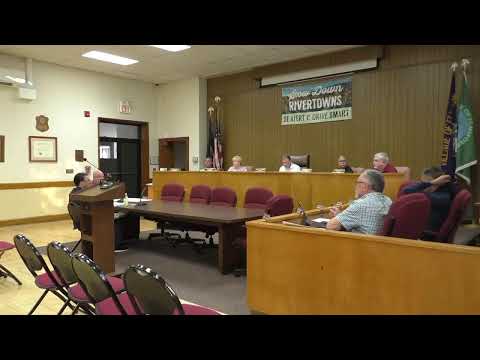
Trustees discussed implementing pre-trip vehicle check sheets and standard markings for non-emergency village vehicles at the June 2 work session.
One trustee described a vehicle check-sheet practice intended to make drivers responsible for pre- and post-shift condition checks. "This way, it shows that, whoever takes the vehicle out is now responsible for the damage," Speaker 1 said, explaining that morning checks would note existing damage so new damage during a shift could be identified and assigned.
Trustees also discussed marking non-emergency village vehicles (highway, water and other operational trucks) to make them easily identifiable. Speaker 6 and others said emergency vehicles (police, fire, EMS) were already well marked and should remain as-is. Speaker 6 suggested detective vehicles might be excluded from new markings because of undercover work. "I would think that the detective vehicle should be excluded," Speaker 4 said in the transcript when referring to undercover needs.
Discussion included concerns about consistency across vendors for vehicle equipment and whether returning to one or two preferred vendors could lower variability. Trustees asked staff to examine current fleet markings and to report back with options; no formal motion or vote was recorded at the session.
The conversation covered administrative controls and record-keeping rather than immediate procurement decisions. Any policy change about markings or inspection sheets would require staff implementation and possibly future formal action.